
The Rock Pigeon (Columba livia), often simply called "pigeon" in urban settings, is a ubiquitous bird found in cities and towns worldwide. Originally native to Europe, North Africa, and the Middle East, this species has been introduced and established feral populations across most of the globe. Rock Pigeons play a significant ecological role as seed dispersers and prey for urban raptors. They also hold cultural significance, having been domesticated for thousands of years for food, message carrying, and as racing birds. Their adaptability has allowed them to thrive in close proximity to humans, making them one of the most recognizable bird species.
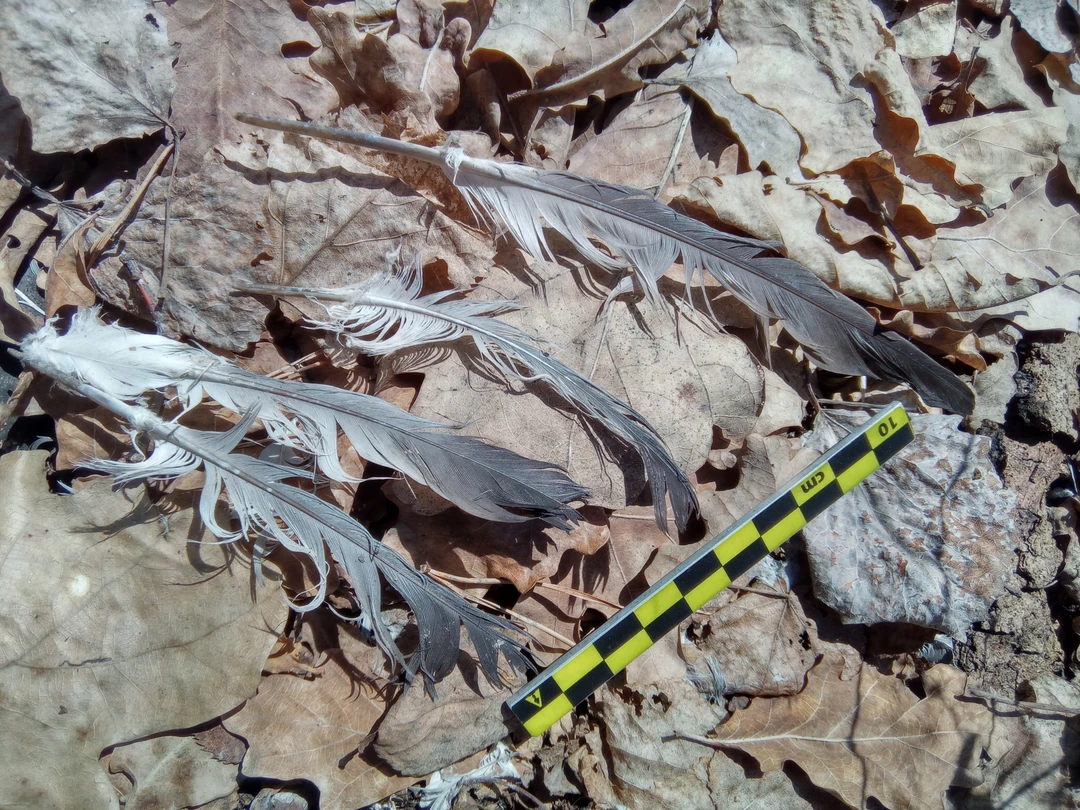
Photos of Rock Pigeon
Compare plumage, posture, and field context across this image set.
Rock Pigeon sounds
Listen to a small selection of reference recordings.
About the Rock Pigeon
The Rock Pigeon (Columba livia), often simply called "pigeon" in urban settings, is a ubiquitous bird found in cities and towns worldwide. Originally native to Europe, North Africa, and the Middle East, this species has been introduced and established feral populations across most of the globe. Rock Pigeons play a significant ecological role as seed dispersers and prey for urban raptors. They also hold cultural significance, having been domesticated for thousands of years for food, message carrying, and as racing birds. Their adaptability has allowed them to thrive in close proximity to humans, making them one of the most recognizable bird species.
Also known as: Rock Dove, Common Pigeon, Pigeon, Blue Rock Pigeon.
Scientific classification
Phylum: Chordata
Clazz: Aves
Order: Columbiformes
Family: Columbidae
Genus: Columba
Species: Columba livia
Habitat and distribution
Adaptations: Highly adaptable to human-altered environments. They can nest on buildings and other structures, and utilize a wide variety of food sources provided directly or indirectly by humans. They can also tolerate a wide range of temperatures.
Variations: Numerous feral populations exist, showing considerable variation in plumage. Several subspecies have been described, but the taxonomy is complex due to interbreeding with domestic pigeons.
Distribution: Native to Europe, North Africa, and the Middle East. Introduced and established worldwide, excluding Antarctica. They are found on every continent except Antarctica. They have no specific migratory routes, but feral populations may move locally in response to food availability.
Habitat Types: Urban areas, Agricultural land, Cliffs and rocky outcrops
Climate Zones: Temperate, Subtropical, Tropical, Arid
Diet and feeding
Primary foods: Seeds, Grains, Fruits, Invertebrates (occasionally)
Foraging behavior: Primarily ground feeders, pecking at seeds and other food items. Often found foraging in flocks, particularly in urban areas where food is abundant.
Seasonal diet variations: Diet may shift slightly based on local availability, but generally consistent year-round due to their adaptability and reliance on human-provided food sources.
Specializations: They have a crop, a specialized pouch in the esophagus used to store food temporarily. This allows them to quickly gather food in exposed locations and digest it later in a safer place.
Reproduction and lifecycle
Breeding season: Can breed year-round, but peak breeding activity often occurs in spring and summer.
Regional variations: Breeding season can vary depending on local climate and food availability.
Courtship rituals: Males perform a bowing display, puffing up their neck feathers and cooing to attract females. They may also engage in courtship feeding.
Nest Type: Platform nest, often flimsy and built on ledges or in crevices.
Nesting Materials: Twigs, Grass, Feathers, Debris
Parental care: Both parents incubate the eggs and feed the chicks 'crop milk,' a secretion from the lining of the crop rich in protein and fat.
Fledging period: Approximately 30 days until fledging.
Clutch Size: Typically 2 eggs (range 1-3).
Physical characteristics
Sex-Based Plumage Differences: Minimal
Length: 29-37 cm
Wingspan: 62-72 cm
Weight: 238-380 g
Lifespan: Typically 3-5 years in the wild, but up to 15 years in captivity.
Breeding Plumage: No significant difference.
Seasonal Feather Changes: No significant seasonal variation.
Notable features: Iridescent neck feathers (green and purple), Two dark bars on each wing (in wild-type plumage), Reddish feet and legs, Dark bill with a white cere
Interesting facts
Rock Pigeons have excellent homing abilities.: They have been used for centuries to carry messages, relying on their ability to navigate back to their home loft from long distances.
They can see ultraviolet light.: This ability may aid in foraging and mate selection.
They produce 'crop milk' to feed their young.: This secretion is produced by both males and females and is essential for the chicks' growth and development.
Rock Pigeons can drink without lifting their heads.: Unlike most birds, they can suck up water continuously.
Frequently asked questions
Are Rock Pigeons and doves the same thing?
Yes, pigeons and doves belong to the same family, Columbidae. 'Pigeon' typically refers to larger species, while 'dove' refers to smaller ones, but there's no strict scientific distinction.
Why are there so many different colored pigeons?
Feral Rock Pigeons exhibit a wide range of plumage colors due to interbreeding with domestic pigeons, which have been bred for various traits over centuries.
Do Rock Pigeons carry diseases?
They can carry some diseases transmissible to humans, but the risk is generally low with casual contact. It's best to avoid handling them directly and to wash your hands after contact with their droppings. Consult a professional for medical or expert advice.
How long do pigeons live?
In the wild, they typically live for 3-5 years. However, in captivity, they can live much longer, up to 15 years.
Compare the image, sound, habitat, and physical characteristics together when reviewing a sighting.