
The Red-whiskered Bulbul (*Pycnonotus jocosus*) is a striking and adaptable songbird native to tropical Asia. It is easily recognized by its prominent pointed black crest, red 'whiskers' (actually facial patches), and white-tipped tail. While not globally threatened, its popularity in the pet trade and its introduction to various regions outside its native range have raised some ecological concerns. It plays a role in seed dispersal and insect control within its ecosystem. In some cultures, it is a symbol of cheerfulness and good luck.
Photos of Red-whiskered Bulbul
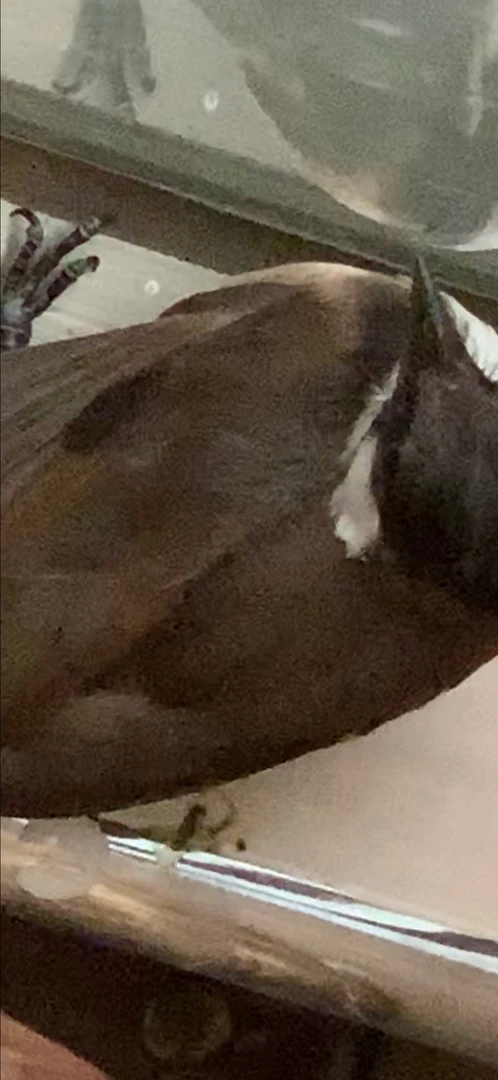
Compare plumage, posture, and field context across this image set.
Red-whiskered Bulbul sounds
Listen to a small selection of reference recordings.
About the Red-whiskered Bulbul
The Red-whiskered Bulbul (*Pycnonotus jocosus*) is a striking and adaptable songbird native to tropical Asia. It is easily recognized by its prominent pointed black crest, red 'whiskers' (actually facial patches), and white-tipped tail. While not globally threatened, its popularity in the pet trade and its introduction to various regions outside its native range have raised some ecological concerns. It plays a role in seed dispersal and insect control within its ecosystem. In some cultures, it is a symbol of cheerfulness and good luck.
Scientific classification
Phylum: Chordata
Clazz: Aves
Order: Passeriformes
Family: Pycnonotidae
Genus: Pycnonotus
Species: Pycnonotus jocosus
Habitat and distribution
Adaptations: Highly adaptable to human-modified landscapes, thriving in both rural and urban environments. Its generalist diet allows it to exploit a variety of food sources.
Variations: Approximately nine subspecies are recognized, differing slightly in plumage and size across their range. For example, *P. j. fuscicaudatus* of peninsular India has more dark brown on the upperparts.
Distribution: Native to tropical Asia, including India, Southeast Asia, and parts of southern China. Introduced populations exist in Australia, Mauritius, Florida (USA), and some Pacific Islands. It typically occupies lowlands to mid-altitudes.
Habitat Types: Open woodlands, Scrublands, Cultivated areas, Gardens, Parks
Climate Zones: Tropical, Subtropical
Diet and feeding
Primary foods: Fruits, Berries, Insects, Nectar, Flower buds
Foraging behavior: Forages actively in trees and shrubs, often in small groups. Will glean insects from foliage, pluck berries, and probe flowers for nectar.
Seasonal diet variations: Diet may shift slightly depending on the availability of fruits and insects. May consume more insects during the breeding season to provide protein for chicks.
Specializations: No highly specialized feeding adaptations, reflecting its generalist diet.
Reproduction and lifecycle
Breeding season: Breeding season varies across its range; generally, from February to May in India, and year-round in some tropical regions.
Regional variations: Breeding can occur throughout the year in areas with consistent food availability and favorable climate.
Courtship rituals: Courtship involves calling, displaying the crest, and offering food to the female.
Nest Type: Cup-shaped nest built in a bush or low tree.
Nesting Materials: Twigs, Roots, Grass, Leaves, Sometimes lined with hair or other soft materials
Parental care: Both parents incubate the eggs (for about 12-14 days) and feed the chicks.
Fledging period: Approximately 13-15 days.
Clutch Size: Typically 2-3 eggs.
Physical characteristics
Sex-Based Plumage Differences: Minimal
Length: 20-22 cm
Wingspan: 25-28 cm
Weight: 23-41 g
Lifespan: Up to 11 years (in captivity); wild lifespan likely shorter, but data is limited.
Breeding Plumage: No significant difference between breeding and non-breeding plumage.
Seasonal Feather Changes: No significant seasonal variations.
Notable features: Pointed black crest, Red 'whisker' patches below the eyes, White cheek patches, White-tipped tail feathers, Red vent (undertail coverts)
Interesting facts
They are known for their bold and inquisitive nature.: They often approach humans and are easily observed in gardens and parks.
Introduced populations have become established in several countries.: This highlights their adaptability but can also pose a threat to native bird species through competition.
They are efficient seed dispersers.: Because they feed on various fruits and berries.
Frequently asked questions
Are Red-whiskered Bulbuls good pets?
While they are popular in some regions, keeping wild birds as pets is generally discouraged due to conservation concerns and the difficulty of providing proper care. They are also protected in many areas.
What should I do if I find a Red-whiskered Bulbul nest?
Observe the nest from a distance and avoid disturbing it. The parents will be nearby and will continue to care for the eggs or chicks.
Do Red-whiskered Bulbuls damage crops?
While they do eat fruits, they are not generally considered a major agricultural pest. Their consumption of insects can also be beneficial.
Compare the image, sound, habitat, and physical characteristics together when reviewing a sighting.