
The Red-shouldered Hawk (Buteo lineatus) is a medium-sized raptor found throughout eastern North America and along the coast of California and northern Mexico. It's a bird of mature forests, often near water, where it plays a crucial role in controlling rodent and reptile populations. This hawk is easily recognized by its reddish barring on the breast and the distinctive black-and-white bands on its tail. While not currently considered globally threatened, habitat loss continues to be a concern for some populations. The Red-shouldered Hawk is less prominent in cultural symbolism compared to some other raptors, but its striking appearance and common presence in some areas have made it a familiar sight to many.
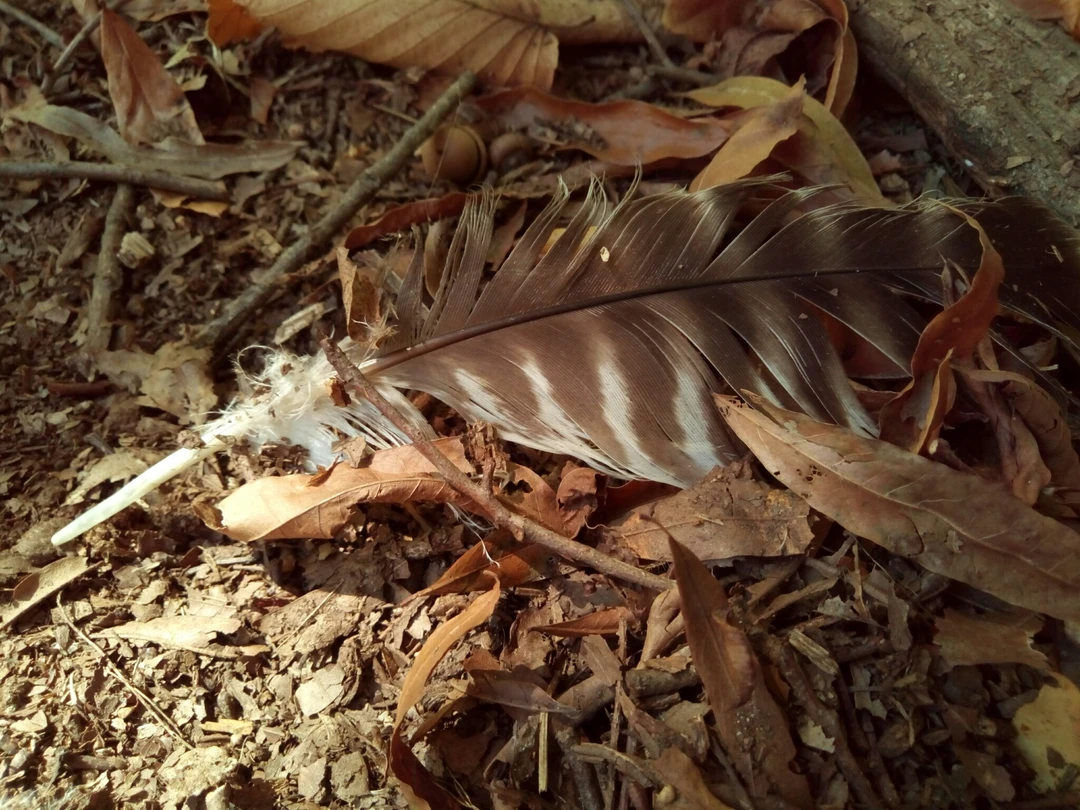
Photos of Red-shouldered Hawk
Compare plumage, posture, and field context across this image set.
Red-shouldered Hawk sounds
Listen to a small selection of reference recordings.
About the Red-shouldered Hawk
The Red-shouldered Hawk (Buteo lineatus) is a medium-sized raptor found throughout eastern North America and along the coast of California and northern Mexico. It's a bird of mature forests, often near water, where it plays a crucial role in controlling rodent and reptile populations. This hawk is easily recognized by its reddish barring on the breast and the distinctive black-and-white bands on its tail. While not currently considered globally threatened, habitat loss continues to be a concern for some populations. The Red-shouldered Hawk is less prominent in cultural symbolism compared to some other raptors, but its striking appearance and common presence in some areas have made it a familiar sight to many.
Also known as: Red-shouldered Buzzard, Hen Hawk, Mouse Hawk.
Scientific classification
Phylum: Chordata
Clazz: Aves
Order: Accipitriformes
Family: Accipitridae
Genus: Buteo
Species: Buteo lineatus
Habitat and distribution
Adaptations: Red-shouldered Hawks prefer areas with open understories for hunting, and tall trees for nesting. Their relatively broad wings and long tails are well-suited for maneuvering through forested environments. They often perch near water bodies, taking advantage of the abundant prey found there.
Variations: Five subspecies are generally recognized, differing slightly in size and coloration. For example, *B. l. extimus* found in Florida is smaller and paler than the nominate subspecies *B. l. lineatus*.
Distribution: The Red-shouldered Hawk has two main populations: one in eastern North America, ranging from southern Canada down to Florida and eastern Texas, and another along the Pacific coast, from northern California to Baja California. Some populations are resident year-round, while others, particularly those in the northern part of the range, migrate south for the winter. They are typically found at lower elevations.
Habitat Types: Mature deciduous forests, Mixed forests, Wooded wetlands, Riparian areas, Suburban areas with mature trees
Climate Zones: Temperate, Subtropical
Diet and feeding
Primary foods: Small mammals (voles, mice, chipmunks), Reptiles (snakes, lizards), Amphibians (frogs, toads), Birds (small songbirds, occasionally), Crayfish and other large invertebrates
Foraging behavior: Red-shouldered Hawks typically hunt from perches, scanning the ground for prey. They may also fly low over open areas or through the forest understory. They are known for their patient hunting style, often remaining still for extended periods before striking.
Seasonal diet variations: Diet varies depending on prey availability. In winter, they may rely more heavily on small mammals, while in summer, amphibians and reptiles may form a larger part of their diet.
Specializations: Their sharp talons and strong beak are adaptations for capturing and consuming a variety of prey. Their keen eyesight allows them to spot prey from a distance.
Reproduction and lifecycle
Breeding season: Breeding season typically begins in late winter or early spring (March-May in most of their range).
Regional variations: In the southern part of their range, breeding may start earlier, sometimes as early as January.
Courtship rituals: Courtship involves aerial displays, including soaring, diving, and calling. The male may also present the female with food.
Nest Type: Large stick nest, usually built in the crotch of a mature deciduous tree.
Nesting Materials: Sticks, Twigs, Leaves, Moss, Bark strips
Parental care: Both parents share incubation duties, which last for about 33-35 days. Both parents also feed the chicks. The female broods the young chicks more frequently, while the male provides most of the food.
Fledging period: Young hawks typically fledge (leave the nest) at around 5-7 weeks of age, but remain dependent on their parents for several more weeks.
Clutch Size: Typically 2-4 eggs.
Physical characteristics
Sex-Based Plumage Differences: Females are slightly larger than males.
Length: 43-61 cm
Wingspan: 90-127 cm
Weight: 470-870 g
Lifespan: In the wild, Red-shouldered Hawks can live up to 20 years, though the average lifespan is likely shorter. Captive individuals may live longer.
Breeding Plumage: Adult plumage is relatively consistent year-round. Juveniles are browner overall, with streaked underparts, and lack the reddish shoulder patch.
Seasonal Feather Changes: Minimal seasonal variation in adult plumage.
Notable features: Reddish 'shoulder' patch on the upper wing, Boldly barred reddish breast and belly, Black-and-white banded tail, Strong, hooked beak, Sharp talons
Interesting facts
Red-shouldered Hawks often reuse the same nest year after year.: They may add to the nest each year, resulting in large structures over time.
They are known for their loud, distinctive calls.: These calls are often heard before the hawk is seen, and are a common sound in their woodland habitat.
They have excellent eyesight.: Like all raptors, they rely on keen vision to locate prey.
They sometimes cache, or hide, excess food.: This is a common behavior in many raptor species, allowing them to store food for later consumption.
The oldest known Red-shouldered Hawk lived to be at least 25 years and 10 months old.: This individual was banded as a nestling and later recovered.
Frequently asked questions
What do Red-shouldered Hawks eat?
They eat a variety of small animals, including rodents, reptiles, amphibians, birds, and large invertebrates.
Where do Red-shouldered Hawks live?
They are found in mature forests, often near water, in eastern North America and along the Pacific coast.
Are Red-shouldered Hawks endangered?
No, they are classified as Least Concern by the IUCN, meaning they are not currently considered to be at risk of extinction.
How can I tell a Red-shouldered Hawk from other hawks?
Look for the reddish barring on the breast, the black-and-white banded tail, and the reddish 'shoulder' patch on the upper wing.
Do Red-shouldered Hawks migrate?
Northern populations migrate south for the winter, while southern populations are generally resident year-round.
Compare the image, sound, habitat, and physical characteristics together when reviewing a sighting.