
The Parasitic Jaeger (*Stercorarius parasiticus*), also known as the Arctic Skua, is a medium-sized seabird renowned for its piratical feeding habits. It plays a significant role in Arctic and subarctic ecosystems, primarily by regulating populations of other birds through kleptoparasitism (stealing food). This species exhibits remarkable aerial agility and is known for its long-distance migrations. Culturally, it is sometimes seen as a symbol of tenacity and adaptability due to its survival strategies in harsh environments.
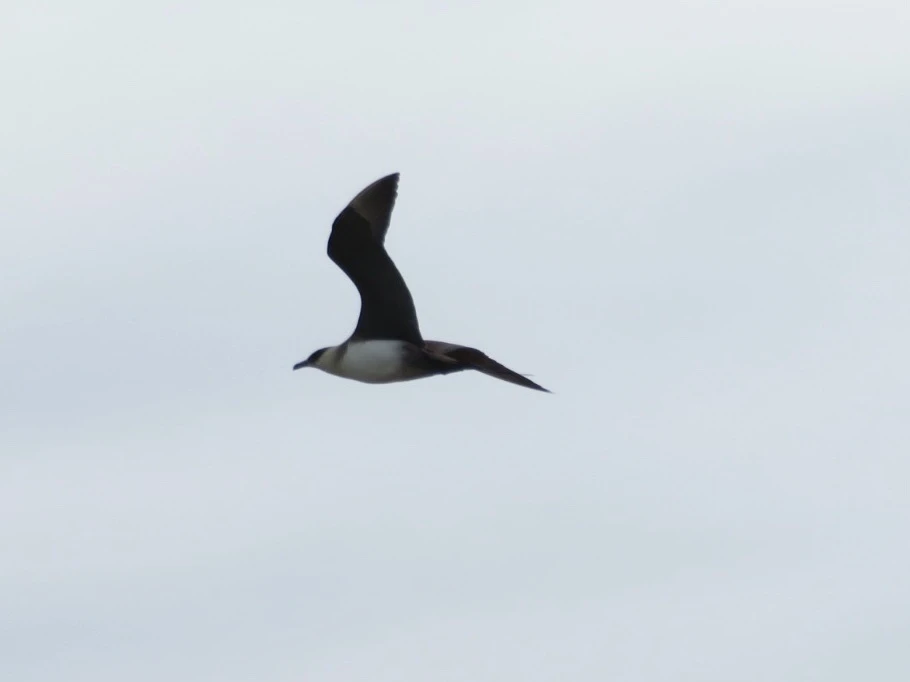
Photos of Parasitic Jaeger
Compare plumage, posture, and field context across this image set.
Parasitic Jaeger sounds
Listen to a small selection of reference recordings.
About the Parasitic Jaeger
The Parasitic Jaeger (*Stercorarius parasiticus*), also known as the Arctic Skua, is a medium-sized seabird renowned for its piratical feeding habits. It plays a significant role in Arctic and subarctic ecosystems, primarily by regulating populations of other birds through kleptoparasitism (stealing food). This species exhibits remarkable aerial agility and is known for its long-distance migrations. Culturally, it is sometimes seen as a symbol of tenacity and adaptability due to its survival strategies in harsh environments.
Also known as: Arctic Skua, Arctic Jaeger.
Scientific classification
Phylum: Chordata
Clazz: Aves
Order: Charadriiformes
Family: Stercorariidae
Genus: Stercorarius
Species: Stercorarius parasiticus
Habitat and distribution
Adaptations: Highly adapted to marine environments with dense plumage for insulation and waterproofing. Possesses strong, hooked bill and sharp talons, beneficial for capturing and holding prey, or harassing other birds.
Variations: While generally considered monotypic (no recognized subspecies), some regional variations in size and plumage darkness exist, but these are not formally classified.
Distribution: Breeds in the Arctic and subarctic regions of North America, Europe, and Asia. Winters at sea in temperate and tropical oceans, ranging widely across the Atlantic, Pacific, and Indian Oceans. Migrates along coastlines and across open ocean.
Habitat Types: Tundra, Coastal areas, Open ocean, Pelagic zones
Climate Zones: Arctic, Subarctic, Temperate, Tropical
Diet and feeding
Primary foods: Fish, Small birds, Eggs, Rodents, Insects, Berries (during breeding season)
Foraging behavior: Primarily kleptoparasitic, chasing other seabirds (such as terns and gulls) to force them to regurgitate their catch. Also hunts small birds and rodents on breeding grounds.
Seasonal diet variations: Diet shifts from primarily fish obtained through kleptoparasitism at sea to include more terrestrial prey (rodents, insects, berries) during the breeding season.
Specializations: Exceptional aerial agility allows it to pursue and harass other birds effectively. Strong flier capable of rapid changes in direction.
Reproduction and lifecycle
Breeding season: May-August
Regional variations: Slight variations depending on latitude; earlier breeding in more southern parts of the range.
Courtship rituals: Aerial displays involving high-speed chases, dives, and vocalizations. Pairs often perform synchronized flights.
Nest Type: Shallow scrape on the ground, often lined with vegetation.
Nesting Materials: Moss, Lichen, Grasses, Feathers
Parental care: Both parents incubate the eggs (for about 25-28 days) and feed the chicks. Chicks are semi-precocial, leaving the nest shortly after hatching but remaining dependent on parents for food.
Fledging period: Approximately 25-30 days until first flight.
Clutch Size: Typically 2 eggs (range 1-3).
Physical characteristics
Sex-Based Plumage Differences: Minimal
Length: 37-44 cm
Wingspan: 107-125 cm
Weight: 300-650 g
Lifespan: Typically 9-15 years in the wild; up to 25 years recorded.
Breeding Plumage: Breeding adults have a dark cap, pale nape, and elongated central tail feathers. Non-breeding adults and juveniles have more streaked plumage and lack the elongated tail feathers.
Seasonal Feather Changes: Plumage becomes more worn and faded outside the breeding season.
Notable features: Elongated central tail feathers (in breeding adults), Dark morph and light morph color variations, Pointed wings for agile flight
Interesting facts
They are known for their aggressive kleptoparasitic behavior.: This behavior, where they steal food from other birds, is a defining characteristic and a crucial survival strategy.
They undertake long-distance migrations.: Some individuals travel thousands of kilometers between their breeding and wintering grounds.
They have different color morphs.: There are light, dark, and intermediate plumage variations, adding to their visual diversity.
Frequently asked questions
What is kleptoparasitism?
Kleptoparasitism is a form of feeding in which one animal steals food that another animal has caught, collected, or otherwise prepared. Parasitic Jaegers are masters of this, often harassing other birds until they drop their food.
Where do Parasitic Jaegers breed?
Parasitic Jaegers breed in the Arctic and subarctic regions of North America, Europe, and Asia, typically on tundra and coastal areas.
Are Parasitic Jaegers endangered?
No, the Parasitic Jaeger is currently classified as 'Least Concern' by the IUCN, meaning their population is relatively stable. However, they still face threats like climate change and pollution.
Compare the image, sound, habitat, and physical characteristics together when reviewing a sighting.