
The Northern Mockingbird (Mimus polyglottos) is a medium-sized songbird renowned for its remarkable vocal mimicry. Found throughout North America and parts of the Caribbean, this species is a common sight in suburban areas, farmlands, and open woodlands. Beyond its impressive ability to imitate other birds' songs, the Northern Mockingbird plays a role in seed dispersal and insect control. It holds cultural significance in some regions, appearing in folklore and literature, and is the state bird of several US states.
Photos of Northern Mockingbird
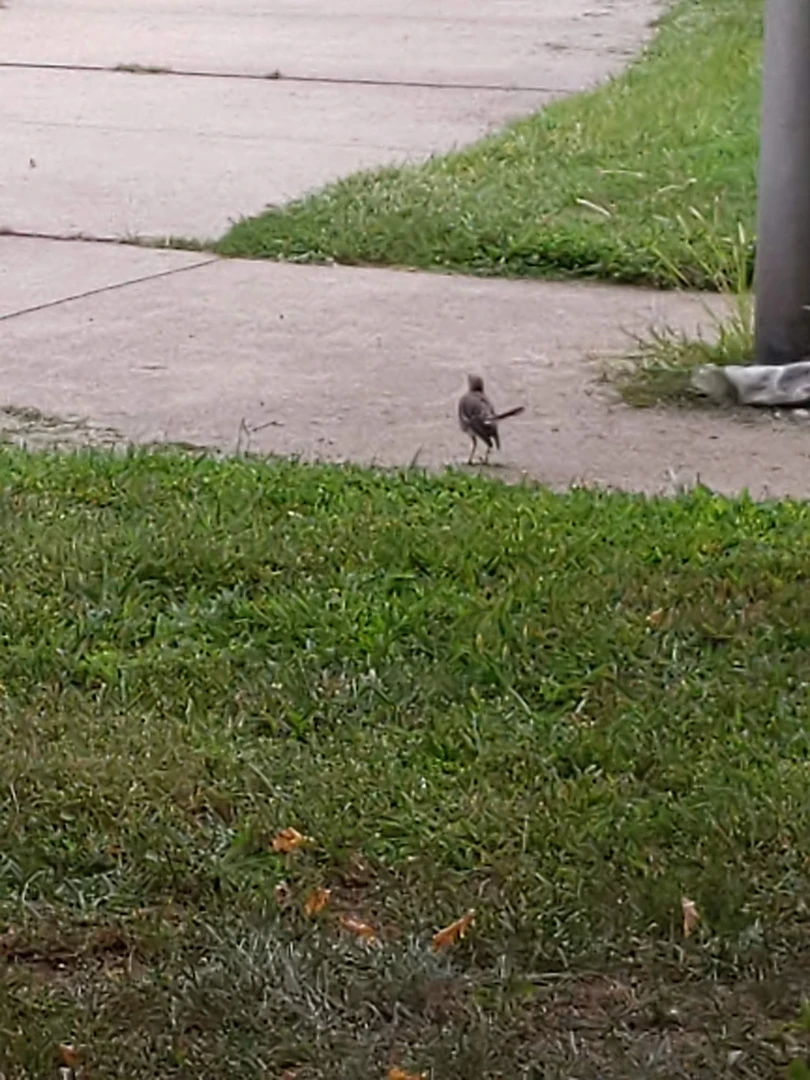
Compare plumage, posture, and field context across this image set.
Northern Mockingbird sounds
Listen to a small selection of reference recordings.
About the Northern Mockingbird
The Northern Mockingbird (Mimus polyglottos) is a medium-sized songbird renowned for its remarkable vocal mimicry. Found throughout North America and parts of the Caribbean, this species is a common sight in suburban areas, farmlands, and open woodlands. Beyond its impressive ability to imitate other birds' songs, the Northern Mockingbird plays a role in seed dispersal and insect control. It holds cultural significance in some regions, appearing in folklore and literature, and is the state bird of several US states.
Also known as: Mockingbird, Mocker.
Scientific classification
Phylum: Chordata
Clazz: Aves
Order: Passeriformes
Family: Mimidae
Genus: Mimus
Species: Mimus polyglottos
Habitat and distribution
Adaptations: Northern Mockingbirds are highly adaptable to human-modified landscapes, thriving in areas with a mix of open ground for foraging and shrubs or trees for nesting. Their ability to utilize a wide range of food sources also contributes to their habitat flexibility.
Variations: There are some recognized subspecies, primarily differing in subtle plumage variations and geographic distribution. For example, *Mimus polyglottos leucopterus* is found in the western US and Mexico, while *Mimus polyglottos polyglottos* occupies the eastern US.
Distribution: The Northern Mockingbird is widely distributed across North America, ranging from southern Canada to Mexico and into the Caribbean. They are primarily resident birds, though some northern populations may migrate short distances south in winter. They are generally found at lower elevations.
Habitat Types: Suburban areas, Farmlands, Open woodlands, Thickets, Desert scrub
Climate Zones: Temperate, Subtropical, Tropical
Diet and feeding
Primary foods: Insects, Fruits, Berries, Seeds
Foraging behavior: Northern Mockingbirds forage on the ground, hopping and running to capture insects. They also glean insects and fruits from foliage and occasionally hawk insects in the air. They are known to fiercely defend food sources from other birds.
Seasonal diet variations: Insects form the bulk of the diet during the breeding season, while fruits and berries become more important in the fall and winter.
Specializations: Their varied diet allows them to adapt to different food availability throughout the year.
Reproduction and lifecycle
Breeding season: Spring and early summer, typically from March to August.
Regional variations: Breeding may start earlier in southern regions.
Courtship rituals: Males perform elaborate displays, including singing from high perches, chasing females, and displaying their white wing patches in flight. They are known for their complex and varied songs, often incorporating imitations of other bird species.
Nest Type: Cup-shaped nest, usually placed in a dense shrub or tree.
Nesting Materials: Twigs, Grass, Leaves, Rootlets, Sometimes lined with animal hair or artificial materials
Parental care: Both parents incubate the eggs (12-13 days) and feed the chicks. Males are particularly active in defending the nest and young.
Fledging period: Approximately 12-13 days until the young birds leave the nest.
Clutch Size: Typically 3-5 eggs.
Physical characteristics
Sex-Based Plumage Differences: Minimal
Length: 21-26 cm
Wingspan: 31-38 cm
Weight: 40-58 g
Lifespan: Typically 8 years in the wild, up to 20 years in captivity.
Breeding Plumage: Plumage remains similar year-round.
Seasonal Feather Changes: No significant seasonal changes.
Notable features: Gray upperparts and pale underparts, White wing patches and outer tail feathers, conspicuous in flight, Long tail, Dark eyes
Interesting facts
They can learn up to 200 different songs.: This includes not only the songs of other birds but also sounds from other animals and mechanical noises.
They often sing at night, especially during the full moon.: This behavior is more common in unmated males.
They are known to attack much larger animals, including cats, dogs, and even humans, that approach their nests.: This aggressive behavior is a defense mechanism to protect their young.
Frequently asked questions
Why do mockingbirds sing so much?
Mockingbirds sing to establish and defend their territory, attract mates, and communicate with other mockingbirds. Their complex songs are a way of demonstrating their fitness and experience.
Do female mockingbirds sing?
While males are the primary singers, females also sing, although their songs are typically quieter and less complex.
What should I do if a mockingbird attacks me?
If a mockingbird is acting aggressively, it's likely defending its nest. The best approach is to calmly move away from the area. They are unlikely to cause serious harm. Consult a professional for medical or expert advice if injury occurs.
Are Northern Mockingbird's endangered?
No. The Northern Mockingbird is classified as 'Least Concern' by the IUCN.
Compare the image, sound, habitat, and physical characteristics together when reviewing a sighting.