
The Mallard (*Anas platyrhynchos*) is arguably the most recognizable duck in the world, and is the ancestor of almost all domestic duck breeds. Found throughout the Northern Hemisphere and introduced to various parts of the Southern Hemisphere, it's a highly adaptable species, thriving in a wide variety of wetland habitats. Ecologically, Mallards play a role in seed dispersal and nutrient cycling, and are a food source for various predators. Culturally, they are a familiar sight in parks and ponds, often depicted in art and folklore, and are a popular game bird.
Photos of Mallard
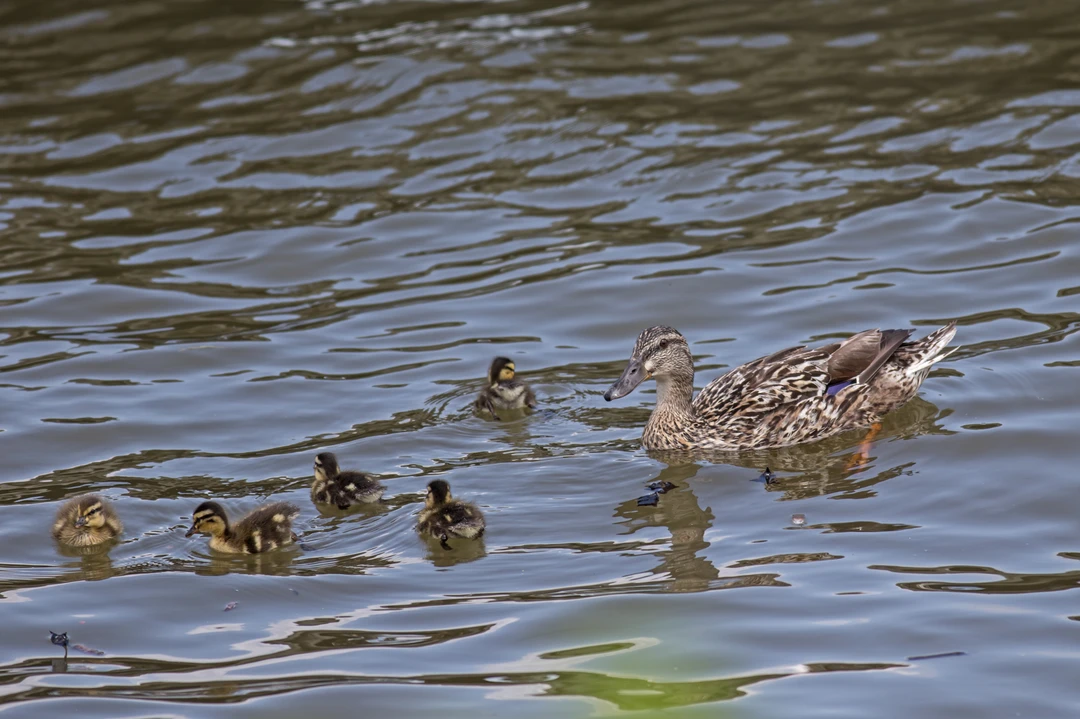
Compare plumage, posture, and field context across this image set.
Mallard sounds
Listen to a small selection of reference recordings.
About the Mallard
The Mallard (*Anas platyrhynchos*) is arguably the most recognizable duck in the world, and is the ancestor of almost all domestic duck breeds. Found throughout the Northern Hemisphere and introduced to various parts of the Southern Hemisphere, it's a highly adaptable species, thriving in a wide variety of wetland habitats. Ecologically, Mallards play a role in seed dispersal and nutrient cycling, and are a food source for various predators. Culturally, they are a familiar sight in parks and ponds, often depicted in art and folklore, and are a popular game bird.
Also known as: Mallard Duck, Greenhead.
Scientific classification
Phylum: Chordata
Clazz: Aves
Order: Anseriformes
Family: Anatidae
Genus: Anas
Species: Anas platyrhynchos
Habitat and distribution
Adaptations: Mallards are highly adaptable to different water salinities, thriving in both freshwater and brackish environments. They can tolerate a wide range of temperatures, from freezing conditions in winter to hot summers.
Variations: Several subspecies have been proposed, but their validity is often debated. There are slight variations in size and plumage color across their range. Introduced populations may show characteristics differing from their ancestral stock.
Distribution: Native to North America, Europe, Asia, and North Africa. Introduced to Australia, New Zealand, South America, and South Africa. Migratory in northern parts of its range, moving south for the winter. Altitudinal range varies from sea level to high-altitude lakes.
Habitat Types: Wetlands, Lakes, Ponds, Rivers, Marshes, Estuaries, Coastal waters, Urban parks
Climate Zones: Temperate, Subtropical, Tropical, Boreal
Diet and feeding
Primary foods: Seeds, Aquatic plants, Insects, Crustaceans, Mollusks, Grain
Foraging behavior: Mallards are dabbling ducks, feeding by tipping their bodies forward in the water to reach submerged vegetation and invertebrates. They also graze on land.
Seasonal diet variations: Diet varies with food availability. During breeding season, they consume more protein-rich invertebrates. In winter, they rely more on seeds and grains.
Specializations: Their lamellae (comb-like structures on the bill) help filter small food items from the water.
Reproduction and lifecycle
Breeding season: Generally spring (March-June in the Northern Hemisphere), but can vary with latitude and climate.
Regional variations: In warmer regions, breeding may occur earlier or even year-round if conditions are favorable.
Courtship rituals: Involves head-bobbing, tail-shaking, and displays of the speculum by both sexes. Males may perform 'grunt-whistles' and 'head-up-tail-up' displays.
Nest Type: Shallow depression on the ground, usually concealed in vegetation near water.
Nesting Materials: Grass, Leaves, Down feathers
Parental care: The female incubates the eggs for 27-28 days. Ducklings are precocial (able to walk and swim soon after hatching). The female leads them to water and protects them, but they feed themselves. Males do not participate in parental care.
Fledging period: 50-60 days until first flight.
Clutch Size: Typically 8-13 eggs.
Physical characteristics
Sex-Based Plumage Differences: Males are generally slightly larger
Length: 50-65 cm
Wingspan: 81-98 cm
Weight: 700-1600 g
Lifespan: Typically 3-5 years in the wild, but can live up to 10 years or more. Captive individuals can live longer.
Breeding Plumage: Males (drakes) in breeding plumage have an iridescent green head, a white neck ring, a chestnut-brown breast, and gray body. Females (hens) are mottled brown year-round. After breeding, drakes molt into an 'eclipse' plumage, resembling females.
Seasonal Feather Changes: Males undergo a complete molt after breeding, losing their bright colors. They regain breeding plumage in the fall.
Notable features: Iridescent green head (breeding male), White neck ring (breeding male), Blue speculum (wing patch) bordered with white, visible in both sexes, Curled black upper tail coverts (male)
Interesting facts
Mallards are the ancestors of almost all domestic duck breeds.: Except for the Muscovy Duck, all domestic ducks are descended from Mallards.
Mallards can hybridize with other duck species.: This can lead to fertile offspring and sometimes poses a conservation concern for rarer duck species.
Mallards can fly at speeds up to 65 mph (105 km/h).: They are strong fliers, capable of long-distance migrations.
Mallards sleep with one eye open and half of their brain active.: This allows them to stay alert for predators while resting. This is called unihemispheric slow-wave sleep.
Frequently asked questions
What is the difference between a male and female Mallard?
Male Mallards (drakes) have a bright green head, white neck ring, and chestnut breast during breeding season. Females (hens) are mottled brown year-round.
Do Mallards mate for life?
Mallards form seasonal pair bonds, meaning they typically choose a new mate each breeding season.
What should I feed Mallards at the park?
It's best not to feed Mallards, as bread and other human foods can be unhealthy for them. If you must feed them, offer small amounts of birdseed, corn, or chopped vegetables.
Why are some Mallards white?
White Mallards are usually domestic ducks that have escaped or been released, or they may be hybrids between Mallards and domestic ducks.
Compare the image, sound, habitat, and physical characteristics together when reviewing a sighting.