
The Little Grebe (Tachybaptus ruficollis), also known as the Dabchick, is a small, charming waterbird widely distributed across Europe, Asia, and Africa. It is a member of the grebe family, known for their elaborate courtship displays and ability to dive and swim underwater with exceptional skill. Little Grebes play a crucial role in their wetland ecosystems, primarily as predators of small fish and aquatic invertebrates. They are not considered globally threatened, demonstrating a remarkable adaptability to various freshwater habitats, including those significantly altered by human activity.
Photos of Little Grebe
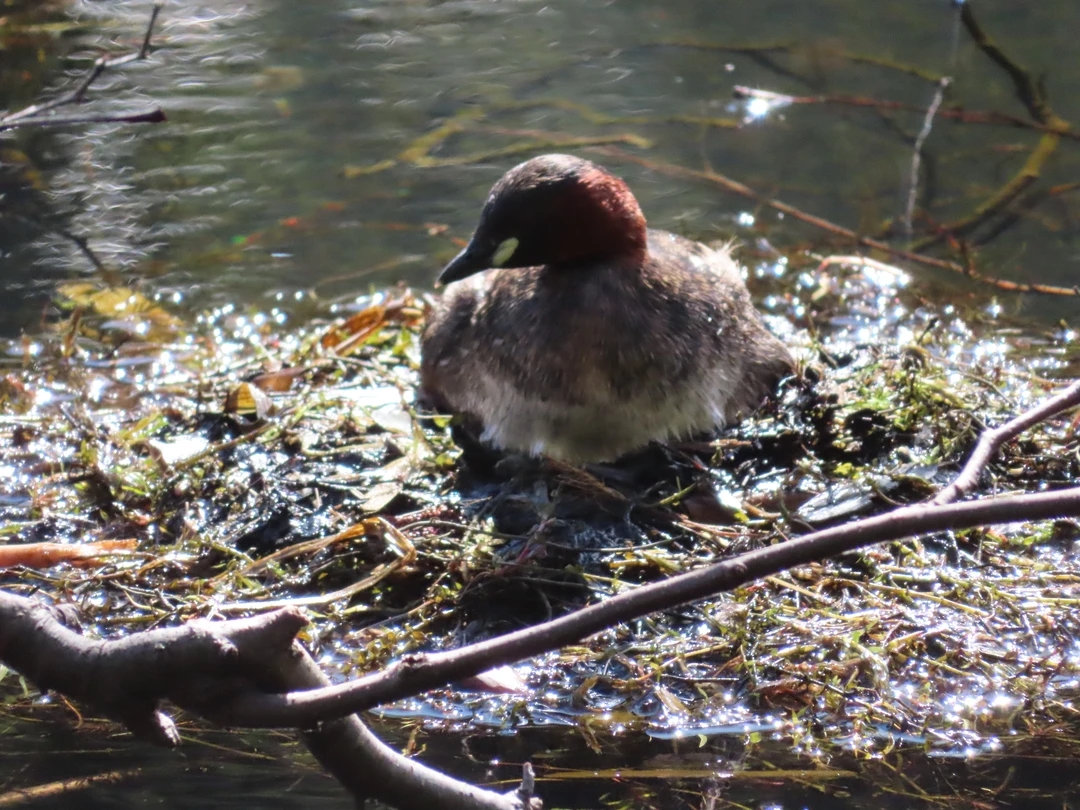
Compare plumage, posture, and field context across this image set.
About the Little Grebe
The Little Grebe (Tachybaptus ruficollis), also known as the Dabchick, is a small, charming waterbird widely distributed across Europe, Asia, and Africa. It is a member of the grebe family, known for their elaborate courtship displays and ability to dive and swim underwater with exceptional skill. Little Grebes play a crucial role in their wetland ecosystems, primarily as predators of small fish and aquatic invertebrates. They are not considered globally threatened, demonstrating a remarkable adaptability to various freshwater habitats, including those significantly altered by human activity.
Also known as: Dabchick.
Scientific classification
Phylum: Chordata
Clazz: Aves
Order: Podicipediformes
Family: Podicipedidae
Genus: Tachybaptus
Species: Tachybaptus ruficollis
Habitat and distribution
Adaptations: Little Grebes have lobed toes, rather than webbed feet, which provide excellent propulsion underwater. Their legs are positioned far back on their bodies, making them efficient swimmers but awkward on land. They can also adjust their buoyancy, allowing them to float low in the water or submerge completely.
Variations: Several subspecies are recognized, differing slightly in size and plumage coloration. For example, *T. r. capensis* is found in sub-Saharan Africa, while *T. r. iraquensis* is found in Iraq and southwestern Iran.
Distribution: The Little Grebe has a broad distribution, found throughout Europe, much of Asia south of the Himalayas, and across most of sub-Saharan Africa. It is also found in parts of the Middle East and the Indian subcontinent. Some populations are migratory, moving to ice-free waters in winter, while others are resident year-round.
Habitat Types: Freshwater lakes, Ponds, Slow-flowing rivers, Marshes, Reedbeds, Coastal lagoons (occasionally)
Climate Zones: Temperate, Tropical, Subtropical
Diet and feeding
Primary foods: Small fish, Aquatic insects, Crustaceans, Mollusks, Amphibian larvae
Foraging behavior: Little Grebes are expert divers, pursuing prey underwater. They typically dive for 10-25 seconds, but can stay submerged longer if necessary. They often forage in areas with submerged vegetation.
Seasonal diet variations: Diet may vary slightly depending on the availability of prey. In winter, they may consume more crustaceans if insects are less abundant.
Specializations: Their lobed toes and posteriorly positioned legs are key adaptations for underwater pursuit. Their small size allows them to maneuver effectively in dense vegetation.
Reproduction and lifecycle
Breeding season: Breeding season varies geographically, but generally occurs during the warmer months when food is plentiful. In temperate regions, it often spans from spring to early summer.
Regional variations: In tropical regions, breeding may occur year-round or be linked to rainfall patterns.
Courtship rituals: Courtship involves elaborate displays, including synchronized swimming, head-shaking, and 'weed-carrying' ceremonies where both birds present each other with aquatic vegetation.
Nest Type: A floating platform nest made of aquatic vegetation, anchored to emergent plants.
Nesting Materials: Reeds, Sedges, Other aquatic plants
Parental care: Both parents share incubation duties, which last for about 20-25 days. Chicks are precocial, meaning they can swim and dive shortly after hatching. Both parents feed and protect the chicks.
Fledging period: Chicks fledge at around 4-7 weeks of age, becoming fully independent.
Clutch Size: Typically 4-7 eggs.
Physical characteristics
Sex-Based Plumage Differences: Minimal
Length: 23-29 cm
Wingspan: 40-45 cm
Weight: 100-230 g
Lifespan: Typically 5-10 years in the wild, although some individuals may live longer.
Breeding Plumage: Breeding plumage features rich chestnut-red neck and cheeks, with a glossy black crown and back. Non-breeding plumage is duller, with a brownish-grey neck and back, and a paler throat.
Seasonal Feather Changes: The change between breeding and non-breeding plumage is gradual, occurring through molting.
Notable features: Small, compact body, Short, pointed bill, Lobed toes (not webbed), Bright yellow gape (visible during breeding season)
Interesting facts
Little Grebes swallow their own feathers.: This behavior is thought to help protect the stomach lining from sharp fish bones and to aid in the formation of pellets of indigestible material, which are regurgitated.
Chicks often ride on their parents' backs.: This provides warmth, protection from predators, and a convenient way to travel across the water.
They can sink slowly and silently below the water's surface.: This 'submarine' behavior helps them to avoid predators or to approach prey undetected.
Frequently asked questions
What is the difference between a Little Grebe and a duck?
Little Grebes are not ducks. They belong to a separate family (Podicipedidae) and have lobed toes instead of webbed feet. They are also generally smaller and more compact than most ducks.
Where can I see Little Grebes?
Little Grebes can be found on a variety of freshwater habitats, including lakes, ponds, slow-flowing rivers, and marshes. Look for them near areas with emergent vegetation.
Are Little Grebes endangered?
No, Little Grebes are classified as 'Least Concern' by the IUCN. Their populations are generally stable, although they face localized threats from habitat loss and disturbance.
Compare the image, sound, habitat, and physical characteristics together when reviewing a sighting.