
The Great Egret (Ardea alba) is a large, elegant wading bird found across much of the world. Known for its striking white plumage, long neck, and sharp, yellow bill, it is a common sight in wetlands, marshes, and along shorelines. This species plays a crucial role in its ecosystem as a top predator of fish, amphibians, and invertebrates, helping to regulate populations of these smaller animals. Historically, the Great Egret was heavily hunted for its beautiful plumes, leading to significant population declines, but conservation efforts have helped it rebound in many areas. It is a symbol of resilience and the importance of protecting wetland habitats.
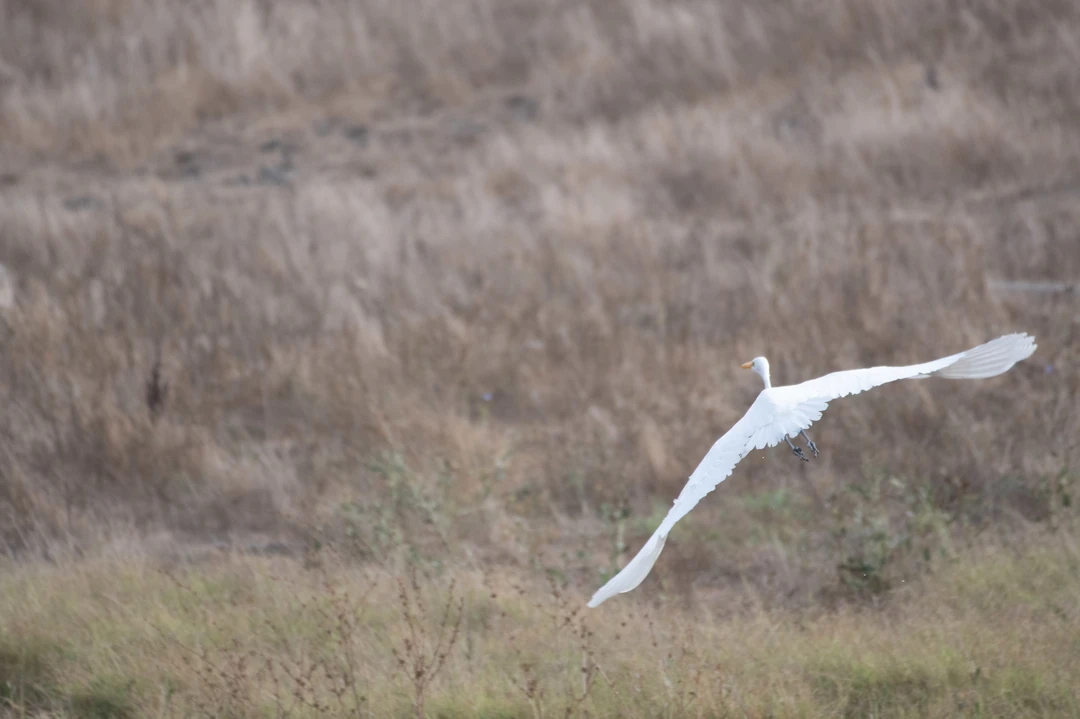
Photos of Great Egret
Compare plumage, posture, and field context across this image set.
Great Egret sounds
Listen to a small selection of reference recordings.
About the Great Egret
The Great Egret (Ardea alba) is a large, elegant wading bird found across much of the world. Known for its striking white plumage, long neck, and sharp, yellow bill, it is a common sight in wetlands, marshes, and along shorelines. This species plays a crucial role in its ecosystem as a top predator of fish, amphibians, and invertebrates, helping to regulate populations of these smaller animals. Historically, the Great Egret was heavily hunted for its beautiful plumes, leading to significant population declines, but conservation efforts have helped it rebound in many areas. It is a symbol of resilience and the importance of protecting wetland habitats.
Also known as: Great White Egret, Common Egret, White Heron.
Scientific classification
Phylum: Chordata
Clazz: Aves
Order: Pelecaniformes
Family: Ardeidae
Genus: Ardea
Species: Ardea alba
Habitat and distribution
Adaptations: The Great Egret's long legs and neck allow it to wade in relatively deep water and hunt effectively in dense vegetation. Its sharp bill is perfectly adapted for spearing fish and other prey. Specialized neck vertebrae allow for a rapid striking motion.
Variations: Four subspecies are generally recognized: *Ardea alba alba* (Europe, Asia), *Ardea alba egretta* (Americas), *Ardea alba modesta* (East Asia, Australasia), and *Ardea alba melanorhynchos* (Africa). These subspecies differ slightly in size and bill color during the breeding season.
Distribution: The Great Egret has a cosmopolitan distribution, found on every continent except Antarctica. It breeds in North and South America, Europe, Asia, Africa, and Australia. Migratory populations move considerable distances, with North American birds often wintering in Central America and the Caribbean. Altitudinal range extends from sea level to over 4,000 meters in some regions.
Habitat Types: Wetlands, Marshes, Swamps, Lakeshores, Riversides, Coastal lagoons, Mangrove forests, Flooded agricultural fields
Climate Zones: Tropical, Subtropical, Temperate, Mediterranean
Diet and feeding
Primary foods: Fish, Amphibians, Reptiles, Insects, Crustaceans, Small mammals
Foraging behavior: The Great Egret is primarily a stand-and-wait predator. It stands motionless in shallow water, patiently waiting for prey to come within striking distance. It then uses its long neck and sharp bill to quickly spear its prey. It may also slowly stalk prey or stir the water with its feet to flush out hidden animals.
Seasonal diet variations: Diet can vary depending on prey availability. In some areas, insects may become a more important food source during certain times of the year when fish are less abundant.
Specializations: The long, sharp bill and specialized neck vertebrae allow for a rapid and accurate strike. The bird's long legs allow it to wade in deeper water than many other wading birds.
Reproduction and lifecycle
Breeding season: Varies geographically; typically spring and summer in temperate regions, and during the rainy season in tropical areas.
Regional variations: Breeding can occur year-round in some tropical regions with consistent rainfall.
Courtship rituals: Courtship involves elaborate displays by both sexes, including bowing, neck stretching, and raising of the breeding plumes. Pairs may also engage in bill-clapping and mutual preening.
Nest Type: Platform nest built in trees, shrubs, or reedbeds, often in colonies with other herons and egrets.
Nesting Materials: Sticks, Twigs, Reeds, Other plant material
Parental care: Both parents share incubation duties, which last for about 23-26 days. Both parents also feed the chicks by regurgitating food. Chicks are semi-altricial, meaning they are relatively helpless at hatching.
Fledging period: Chicks typically fledge at around 6-7 weeks of age, but may remain dependent on their parents for several more weeks.
Clutch Size: Typically 3-4 eggs, but can range from 1-6.
Physical characteristics
Sex-Based Plumage Differences: Minimal
Length: 80-104 cm
Wingspan: 131-170 cm
Weight: 700-1500 g
Lifespan: Up to 15 years in the wild; up to 22 years in captivity.
Breeding Plumage: During the breeding season, adults develop long, delicate plumes (aigrettes) on their backs. The facial skin may also change color, becoming brighter green. Outside the breeding season, the plumage is entirely white, and the aigrettes are absent.
Seasonal Feather Changes: The primary seasonal variation is the presence or absence of breeding plumes.
Notable features: Long, S-shaped neck, Sharp, yellow bill (may darken during breeding), Long, dark legs, All-white plumage, Elegant, upright posture
Interesting facts
Great Egrets were nearly driven to extinction in the late 19th and early 20th centuries due to plume hunting.: Their beautiful breeding plumes were highly sought after for use in women's hats.
They can sometimes be seen hunting in agricultural fields, preying on rodents and insects.: This adaptability allows them to thrive in a variety of habitats.
Great Egrets are often confused with other white herons and egrets.: Careful observation of bill color, leg color, and size is necessary for accurate identification.
The Great Egret is the symbol of the National Audubon Society.: Chosen to represent the organization's commitment to bird conservation.
Frequently asked questions
What is the difference between a Great Egret and a Snowy Egret?
Great Egrets are much larger than Snowy Egrets. Great Egrets have yellow bills and black legs, while Snowy Egrets have black bills and yellow feet.
Do Great Egrets mate for life?
Great Egrets are typically monogamous during a single breeding season, but they may choose different partners in subsequent years.
What is the lifespan of a Great Egret?
The lifespan of a great egret is up to 15 years in the wild and 22 years in captivity.
Where do Great Egrets migrate?
Migration patterns vary depending on location. Many North American Great Egrets migrate to Central America and the Caribbean for the winter.
Are Great Egrets endangered?
Great Egrets are currently classified as Least Concern by the IUCN, meaning they are not considered to be at immediate risk of extinction. However, they still face threats from habitat loss and other factors.
Compare the image, sound, habitat, and physical characteristics together when reviewing a sighting.