
The Florida Scrub-Jay (*Aphelocoma coerulescens*) is a charismatic and highly localized bird species endemic to Florida, USA. It is the only bird species found exclusively within the state. Known for its intelligence, cooperative breeding behavior, and striking blue and gray plumage, it plays a vital role in maintaining the health of Florida's unique scrub oak ecosystems. The Florida Scrub-Jay has cultural significance as a symbol of Florida's natural heritage and the importance of habitat conservation.
Photos of Florida Scrub-Jay
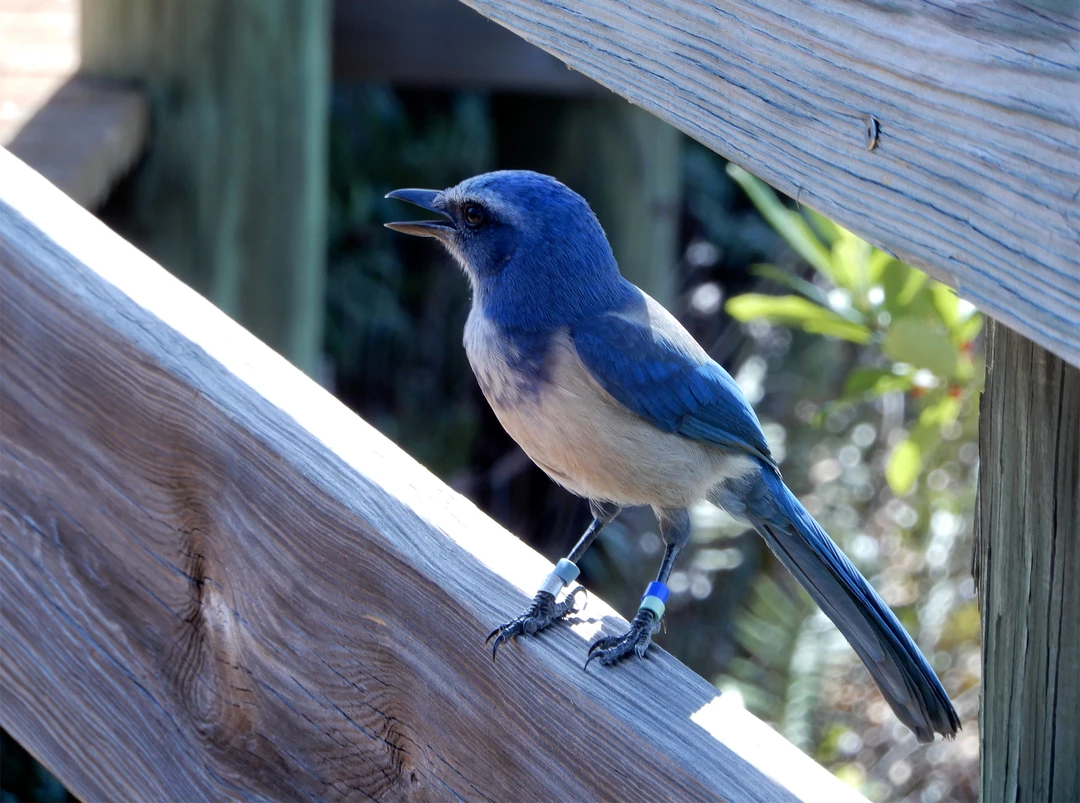
Compare plumage, posture, and field context across this image set.
Florida Scrub-Jay sounds
Listen to a small selection of reference recordings.
About the Florida Scrub-Jay
The Florida Scrub-Jay (*Aphelocoma coerulescens*) is a charismatic and highly localized bird species endemic to Florida, USA. It is the only bird species found exclusively within the state. Known for its intelligence, cooperative breeding behavior, and striking blue and gray plumage, it plays a vital role in maintaining the health of Florida's unique scrub oak ecosystems. The Florida Scrub-Jay has cultural significance as a symbol of Florida's natural heritage and the importance of habitat conservation.
Also known as: Florida Jay.
Scientific classification
Phylum: Chordata
Clazz: Aves
Order: Passeriformes
Family: Corvidae
Genus: Aphelocoma
Species: Aphelocoma coerulescens
Habitat and distribution
Adaptations: Adapted to fire-maintained landscapes. Requires low-growing scrub oak vegetation with open sandy patches for foraging and caching acorns.
Variations: No recognized subspecies. However, genetic variation exists between different populations across the state.
Distribution: Restricted to peninsular Florida, USA. Historically more widespread, its range has contracted significantly due to habitat loss and fragmentation.
Habitat Types: Oak scrub, Sand pine scrub, Scrubby flatwoods
Climate Zones: Subtropical
Diet and feeding
Primary foods: Acorns, Insects, Small vertebrates (lizards, frogs, nestlings), Fruits and seeds
Foraging behavior: Forages on the ground and in low vegetation. Known for caching acorns, burying them in sandy soil for later retrieval.
Seasonal diet variations: Acorns are a crucial food source in the fall and winter. Insects and other invertebrates are more important in spring and summer.
Specializations: Excellent spatial memory for relocating cached food items. Strong bill for handling acorns.
Reproduction and lifecycle
Breeding season: Primarily March-June.
Regional variations: Slight variations in timing may occur depending on latitude and local conditions.
Courtship rituals: Courtship involves mutual feeding, allopreening (grooming each other), and vocalizations.
Nest Type: Cup-shaped nest built in low shrubs, typically scrub oaks.
Nesting Materials: Twigs, Rootlets, Palmetto fibers, Lichen
Parental care: Cooperative breeders. Young from previous years often remain with the family group and help raise subsequent broods (helpers at the nest). Both parents and helpers incubate eggs and feed young.
Fledging period: Approximately 18-21 days.
Clutch Size: 2-5 eggs
Physical characteristics
Sex-Based Plumage Differences: Minimal
Length: 23-28 cm
Wingspan: 33-36 cm
Weight: 75-95 g
Lifespan: Up to 15 years in the wild, though average lifespan is shorter due to predation and habitat challenges.
Breeding Plumage: No significant difference between breeding and non-breeding plumage.
Seasonal Feather Changes: Minimal seasonal variation.
Notable features: Bright blue head, wings, and tail, Gray back and underparts, Black mask around the eyes, Lack of crest (unlike Blue Jays)
Interesting facts
They are one of the few cooperative breeding bird species in North America.: This social system, where helpers assist in raising young, is relatively rare among birds.
They can remember the location of thousands of cached acorns.: This remarkable spatial memory is crucial for their survival, especially during winter months.
They are known for their boldness and curiosity around humans.: This tameness, while endearing, can also make them vulnerable to human-related threats.
Fire is essential for maintaining their habitat.: Regular, low-intensity fires prevent the scrub from becoming too overgrown, creating the open conditions preferred by the jays.
Frequently asked questions
Why are Florida Scrub-Jays only found in Florida?
They are highly specialized to the unique scrub habitat found in Florida, which has evolved over millions of years. They are not adapted to other environments.
What can I do to help Florida Scrub-Jays?
Support conservation organizations working to protect and restore scrub habitat. Advocate for responsible land management practices, including prescribed burning. Avoid using pesticides in areas where scrub-jays may be present.
Are Florida Scrub-Jays related to Blue Jays?
They are both in the Corvidae family (crows, jays, and magpies), but they are distinct species. Florida Scrub-Jays lack the crest and black barring found on Blue Jays.
Do Florida Scrub-Jays mate for life?
Florida Scrub-Jays typically form long-term pair bonds, often lasting for several years, and in some cases, for life. However, 'divorce' or mate switching can occur, particularly if a breeding attempt fails or a higher-quality mate becomes available.
Compare the image, sound, habitat, and physical characteristics together when reviewing a sighting.