
The European Starling (Sturnus vulgaris) is a highly adaptable and widespread bird species, originally native to Eurasia but now found on every continent except Antarctica. Known for their impressive murmurations, where thousands of birds fly in synchronized patterns, starlings play a complex ecological role. While they can be beneficial in controlling insect pests, their large flocks can also cause agricultural damage and compete with native bird species. Culturally, they have been both admired for their aerial displays and reviled as pests.
Photos of European Starling
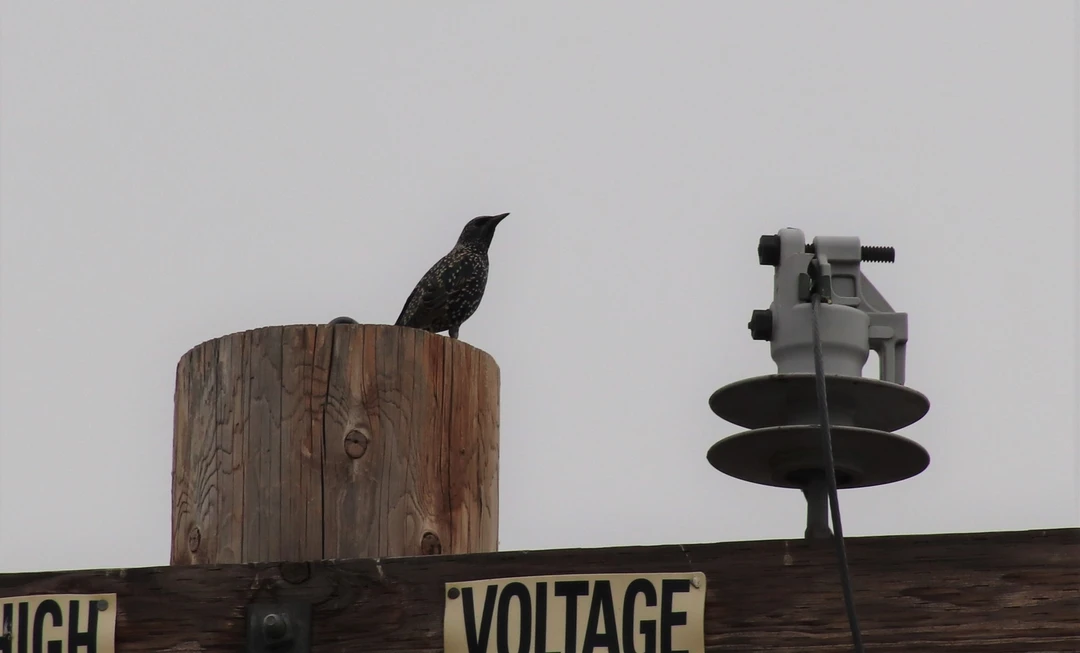
Compare plumage, posture, and field context across this image set.
European Starling sounds
Listen to a small selection of reference recordings.
About the European Starling
The European Starling (Sturnus vulgaris) is a highly adaptable and widespread bird species, originally native to Eurasia but now found on every continent except Antarctica. Known for their impressive murmurations, where thousands of birds fly in synchronized patterns, starlings play a complex ecological role. While they can be beneficial in controlling insect pests, their large flocks can also cause agricultural damage and compete with native bird species. Culturally, they have been both admired for their aerial displays and reviled as pests.
Also known as: Common Starling, Eurasian Starling.
Scientific classification
Phylum: Chordata
Clazz: Aves
Order: Passeriformes
Family: Sturnidae
Genus: Sturnus
Species: Sturnus vulgaris
Habitat and distribution
Adaptations: Highly adaptable to a wide range of habitats and food sources. They can thrive in both disturbed and undisturbed environments. Their strong legs and bill allow for efficient foraging on the ground.
Variations: Several subspecies exist, differing slightly in size and plumage. For example, *Sturnus vulgaris vulgaris* is the nominate subspecies found across much of Europe.
Distribution: Native to Europe, Asia, and North Africa. Introduced to North America, South Africa, Australia, New Zealand, and many other regions. They are largely resident but northern populations migrate south for the winter. Altitudinal range varies from sea level to mountainous regions.
Habitat Types: Urban areas, Agricultural lands, Grasslands, Open woodlands, Wetlands
Climate Zones: Temperate, Subtropical, Mediterranean
Diet and feeding
Primary foods: Invertebrates, Seeds, Fruits, Grains, Nectar
Foraging behavior: Primarily forages on the ground, probing the soil with its bill. Often feeds in large flocks, particularly in open fields and lawns.
Seasonal diet variations: Diet shifts seasonally, with a greater reliance on invertebrates during the breeding season to provide protein for chicks, and more seeds and fruits in the winter.
Specializations: Their strong bill and jaw muscles allow them to open their bill forcefully while probing, a technique called 'gaping' that helps them uncover hidden prey.
Reproduction and lifecycle
Breeding season: Spring and early summer, typically from March to July in the Northern Hemisphere.
Regional variations: Breeding season may vary slightly depending on latitude and local climate conditions.
Courtship rituals: Males sing complex songs and display their glossy plumage to attract females. They also engage in wing-waving and present nesting material.
Nest Type: Cavity nester, using natural holes in trees, buildings, or artificial nest boxes.
Nesting Materials: Grass, Twigs, Feathers, Leaves, Plastic
Parental care: Both parents incubate the eggs for about 12-14 days and feed the chicks. Chicks are altricial, meaning they are born helpless and require extensive parental care.
Fledging period: Approximately 21-23 days until first flight.
Clutch Size: 4-6 eggs
Physical characteristics
Sex-Based Plumage Differences: Minimal
Length: 19-22 cm
Wingspan: 31-44 cm
Weight: 60-100 g
Lifespan: Typically 2-3 years in the wild, but can live up to 15 years in captivity.
Breeding Plumage: Breeding plumage is glossy black with iridescent green and purple hues. Non-breeding plumage is heavily spotted with white. The bill is yellow during breeding season and dark in non-breeding season.
Seasonal Feather Changes: The white spots on the non-breeding plumage gradually wear off, leading to a glossier appearance by spring.
Notable features: Short, triangular wings, Short, square tail, Strong, pointed bill
Interesting facts
European Starlings are excellent mimics.: They can imitate the calls and songs of many other bird species, as well as other sounds like car alarms and human speech.
The starling was introduced to North America in the 1890s.: A group dedicated to introducing all birds mentioned in Shakespeare's works released about 100 starlings in Central Park, New York City.
Starlings fly in large flocks called murmurations.: Murmurations offer protection, and can be a breathtaking sight to see in person.
Frequently asked questions
Why do starlings form such large flocks?
Large flocks provide safety in numbers, making it harder for predators to single out an individual bird. They also help with finding food and sharing information about food sources.
Are starlings harmful to other birds?
In their introduced range, starlings can outcompete native cavity-nesting birds for nesting sites, sometimes leading to declines in local populations of those species.
What do I do if starlings are nesting in my house?
It is best to contact a professional. If they are causing serious damage, you may need to consult a wildlife control agency or pest control service for humane removal and exclusion methods. Blocking entry points after the breeding season can prevent future nesting.
Compare the image, sound, habitat, and physical characteristics together when reviewing a sighting.