
The Common Kingfisher (Alcedo atthis) is a small, brightly colored bird known for its striking blue and orange plumage and its remarkable fishing abilities. It plays a crucial role in riverine and wetland ecosystems as a top predator of small fish and aquatic invertebrates. While not globally threatened, it is sensitive to habitat degradation and pollution, serving as an indicator species for the health of freshwater environments. The kingfisher's swift flight and distinctive hunting technique have made it a popular subject of nature observation and folklore.
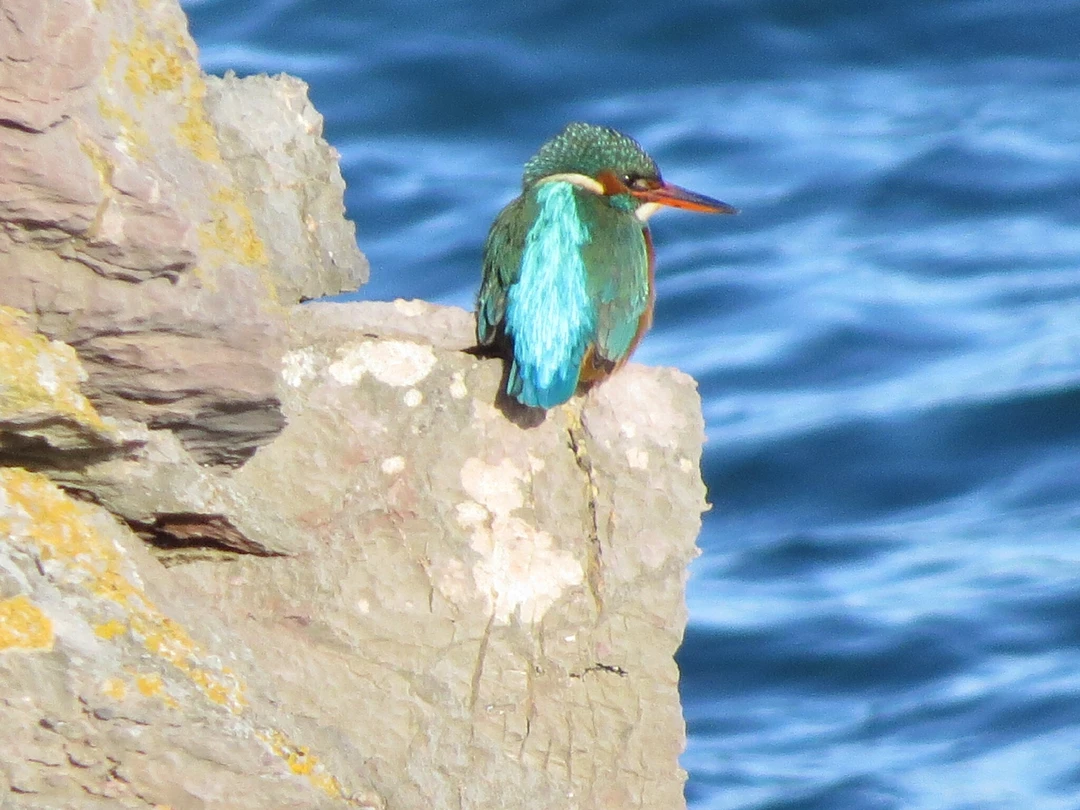
Photos of Common Kingfisher
Compare plumage, posture, and field context across this image set.
About the Common Kingfisher
The Common Kingfisher (Alcedo atthis) is a small, brightly colored bird known for its striking blue and orange plumage and its remarkable fishing abilities. It plays a crucial role in riverine and wetland ecosystems as a top predator of small fish and aquatic invertebrates. While not globally threatened, it is sensitive to habitat degradation and pollution, serving as an indicator species for the health of freshwater environments. The kingfisher's swift flight and distinctive hunting technique have made it a popular subject of nature observation and folklore.
Also known as: Eurasian Kingfisher, River Kingfisher.
Scientific classification
Phylum: Chordata
Clazz: Aves
Order: Coraciiformes
Family: Alcedinidae
Genus: Alcedo
Species: Alcedo atthis
Habitat and distribution
Adaptations: Requires clear, slow-flowing or still water with overhanging perches (branches, reeds) for hunting. Also needs suitable earth banks for nesting burrows.
Variations: Several subspecies are recognized, differing slightly in size and plumage intensity (e.g., *Alcedo atthis ispida* in Europe, *Alcedo atthis bengalensis* in eastern Asia).
Distribution: Widespread across Europe, Asia, and North Africa. Migratory in northern parts of its range, moving south for the winter. Altitudinal range from sea level to 2,600 meters in some regions.
Habitat Types: Rivers, Streams, Canals, Lakes, Ponds, Estuaries, Coastal lagoons
Climate Zones: Temperate, Subtropical, Tropical
Diet and feeding
Primary foods: Small fish (e.g., minnows, sticklebacks), Aquatic insects, Crustaceans, Tadpoles
Foraging behavior: Perches on branches overlooking water, then dives steeply to catch prey. May also hover briefly before diving.
Seasonal diet variations: May consume more insects and crustaceans when fish are less available.
Specializations: Excellent underwater vision; can compensate for refraction of light at the water surface. Third, transparent eyelid (nictitating membrane) protects the eye during dives.
Reproduction and lifecycle
Breeding season: Typically February to September in temperate regions, but varies with location and climate.
Regional variations: Breeding may occur year-round in some tropical regions.
Courtship rituals: Males present fish to females as part of courtship. Also involves chasing flights and calls.
Nest Type: Burrow excavated in earth banks, usually near water.
Nesting Materials: No nest lining, except for accumulated fish bones and regurgitated pellets.
Parental care: Both parents incubate the eggs (19-21 days) and feed the chicks.
Fledging period: 23-27 days until chicks leave the nest.
Clutch Size: Typically 6-7 eggs.
Physical characteristics
Sex-Based Plumage Differences: Minimal
Length: 16-17 cm
Wingspan: 24-26 cm
Weight: 34-46 g
Lifespan: Typically 2-3 years in the wild, up to 7 years recorded; high mortality in first year.
Breeding Plumage: Little difference; may be slightly duller outside breeding season.
Seasonal Feather Changes: Minimal; juveniles have duller plumage and darker legs/bill.
Notable features: Brilliant iridescent blue upperparts, Orange underparts and ear coverts, Short tail, Long, dagger-like bill, White throat and neck patches
Interesting facts
Kingfishers can see polarized light.: This helps them to see through reflections on the water surface and locate prey.
They regurgitate pellets of indigestible material.: These pellets contain fish bones, scales, and insect exoskeletons.
Kingfisher nesting burrows can be up to a meter long.: This provides protection from predators and the elements.
The bright blue color of the kingfisher's feathers is not due to pigment.: It's a structural color, created by the microscopic structure of the feathers, which scatters blue light.
Frequently asked questions
What is the lifespan of a Common Kingfisher?
The average lifespan in the wild is around 2-3 years, although some individuals can live up to 7 years. Mortality is high in the first year.
Where can I see a Common Kingfisher?
Look for them near slow-flowing or still, clear water with overhanging branches, such as rivers, streams, canals, and lakes. They are often seen perched on branches or reeds.
Are Common Kingfishers endangered?
No, they are classified as 'Least Concern' by the IUCN. However, their populations are vulnerable to habitat loss and pollution.
How do kingfishers catch fish?
They perch on a branch overlooking the water, then dive steeply to catch fish with their long, sharp bills. They have excellent underwater vision.
Compare the image, sound, habitat, and physical characteristics together when reviewing a sighting.