
The Common Buzzard (*Buteo buteo*) is a medium-sized raptor widely distributed across Europe and Asia. Known for its adaptability, it occupies a variety of habitats, playing a crucial role in controlling rodent populations. It is a familiar sight, often seen soaring on broad wings or perched on vantage points. While not globally threatened, localized populations face challenges from habitat loss and persecution. The Common Buzzard holds no particular cultural significance other than being a symbol of wilderness and freedom in some regions, representing the balance of nature.
Photos of Common Buzzard
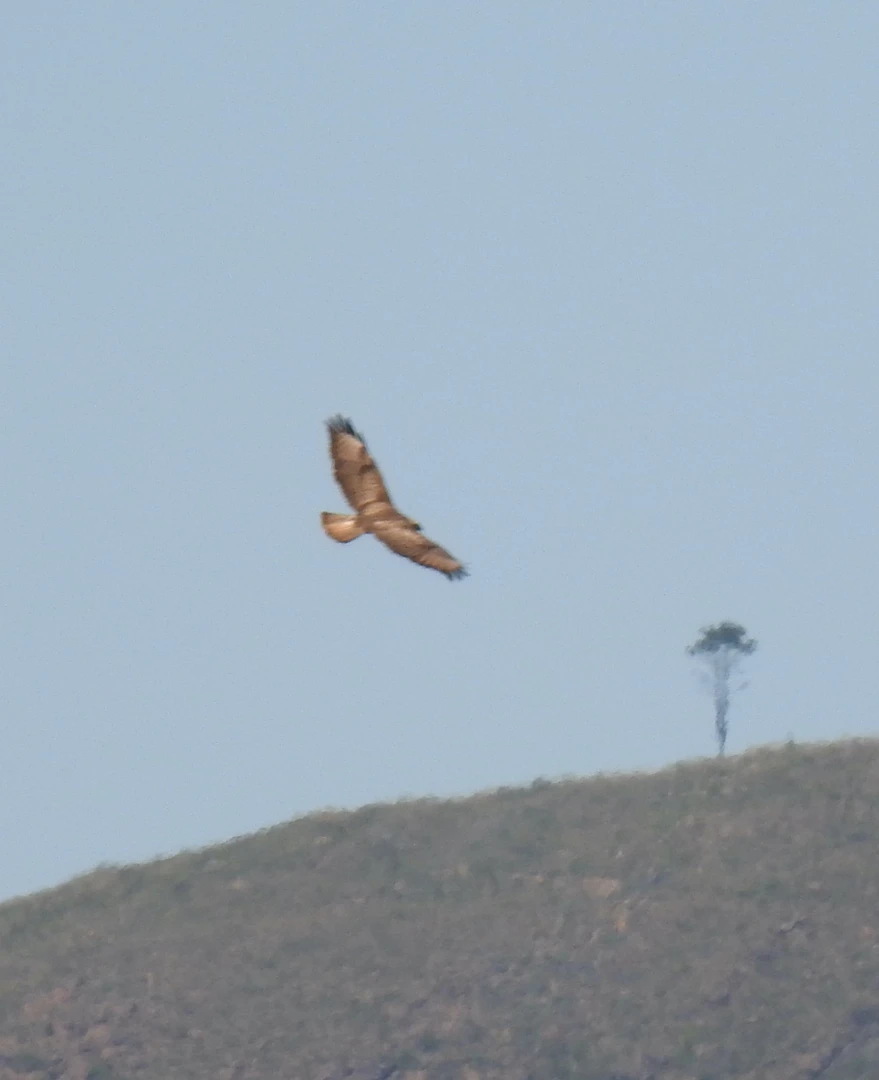
Compare plumage, posture, and field context across this image set.
About the Common Buzzard
The Common Buzzard (*Buteo buteo*) is a medium-sized raptor widely distributed across Europe and Asia. Known for its adaptability, it occupies a variety of habitats, playing a crucial role in controlling rodent populations. It is a familiar sight, often seen soaring on broad wings or perched on vantage points. While not globally threatened, localized populations face challenges from habitat loss and persecution. The Common Buzzard holds no particular cultural significance other than being a symbol of wilderness and freedom in some regions, representing the balance of nature.
Also known as: Eurasian Buzzard, Buzzard.
Scientific classification
Phylum: Chordata
Clazz: Aves
Order: Accipitriformes
Family: Accipitridae
Genus: Buteo
Species: Buteo buteo
Habitat and distribution
Adaptations: Highly adaptable to various habitats due to its broad diet and flexible nesting preferences. Can thrive in both open and wooded landscapes, provided there are suitable nesting sites and sufficient prey availability.
Variations: Multiple subspecies are recognized, exhibiting variations in plumage and size. For example, *Buteo buteo vulpinus* (Steppe Buzzard) is smaller and paler, found in eastern Europe and Asia.
Distribution: Widespread across Europe and Asia, extending from the British Isles and Iberia eastward to Japan. Migratory populations breed in northern regions and winter further south, reaching parts of Africa and the Middle East. Altitudinal range varies from sea level to mountainous areas up to 2,000 meters.
Habitat Types: Woodlands, Farmlands, Moorlands, Grasslands, Coastal areas
Climate Zones: Temperate, Boreal, Mediterranean
Diet and feeding
Primary foods: Small mammals (voles, mice, rabbits), Birds, Reptiles, Amphibians, Invertebrates (earthworms, beetles)
Foraging behavior: Primarily hunts from perches, using keen eyesight to spot prey. Also soars and glides, searching for movement on the ground. Occasionally hovers, particularly in windy conditions.
Seasonal diet variations: Diet varies seasonally depending on prey availability. In winter, may rely more on carrion and earthworms when small mammals are less active.
Specializations: No highly specialized feeding adaptations; a generalist predator with a broad diet.
Reproduction and lifecycle
Breeding season: Typically March-May in temperate regions.
Regional variations: Breeding season may start earlier in southern, warmer regions.
Courtship rituals: Involves aerial displays, including soaring, calling, and 'sky-dancing' where the male dives and swoops.
Nest Type: Large stick nest built in trees, on cliffs, or occasionally on the ground.
Nesting Materials: Twigs, Branches, Leaves, Moss, Other vegetation
Parental care: Both parents share incubation duties (33-35 days). Female primarily broods the young, while the male provides food. Chicks are fed by both parents.
Fledging period: Approximately 40-50 days until first flight.
Clutch Size: Typically 2-4 eggs.
Physical characteristics
Sex-Based Plumage Differences: Females are generally slightly larger than males.
Length: 40-58 cm
Wingspan: 109-136 cm
Weight: 427-1364 g
Lifespan: Up to 25 years in the wild, though average lifespan is likely shorter. Captive birds can live longer.
Breeding Plumage: Plumage is generally similar year-round, though fresh plumage after molting may appear brighter.
Seasonal Feather Changes: Minor seasonal variations; molting occurs primarily in late summer and autumn.
Notable features: Broad, rounded wings, Short, rounded tail, Variable plumage, ranging from dark brown to almost white, Dark 'wrist' marks on the underside of the wings
Interesting facts
Common Buzzards exhibit a wide range of plumage variations.: This makes identification challenging, as individuals can range from very dark brown to almost completely white.
They are opportunistic hunters.: Their diet is highly adaptable, allowing them to thrive in diverse environments.
They often reuse nests year after year.: Some nests can become very large over time, with layers of sticks and other materials added each breeding season.
They can be confused with other raptors, such as the Rough-legged Buzzard.: Careful observation of plumage and flight patterns is needed for accurate identification.
Frequently asked questions
What is the call of a Common Buzzard?
The Common Buzzard has a distinctive mewing call, often described as a plaintive 'kee-yaa'.
Are Common Buzzards endangered?
No, the Common Buzzard is classified as 'Least Concern' by the IUCN, meaning it is not currently considered to be at risk of extinction.
What do Common Buzzards eat?
Common Buzzards have a varied diet, primarily consisting of small mammals like voles and mice, but also including birds, reptiles, amphibians, and invertebrates.
Where do Common Buzzards nest?
They typically build large stick nests in trees, on cliffs, or sometimes on the ground.
Compare the image, sound, habitat, and physical characteristics together when reviewing a sighting.