
The Carolina Wren (Thryothorus ludovicianus) is a small but robust songbird common in the southeastern United States. Known for its loud, ringing song, it plays a vital role in controlling insect populations within its habitat. While not as visually striking as some birds, its rich, reddish-brown plumage and energetic behavior make it a favorite among birdwatchers. It holds no particular cultural significance beyond being a familiar and welcome backyard bird.
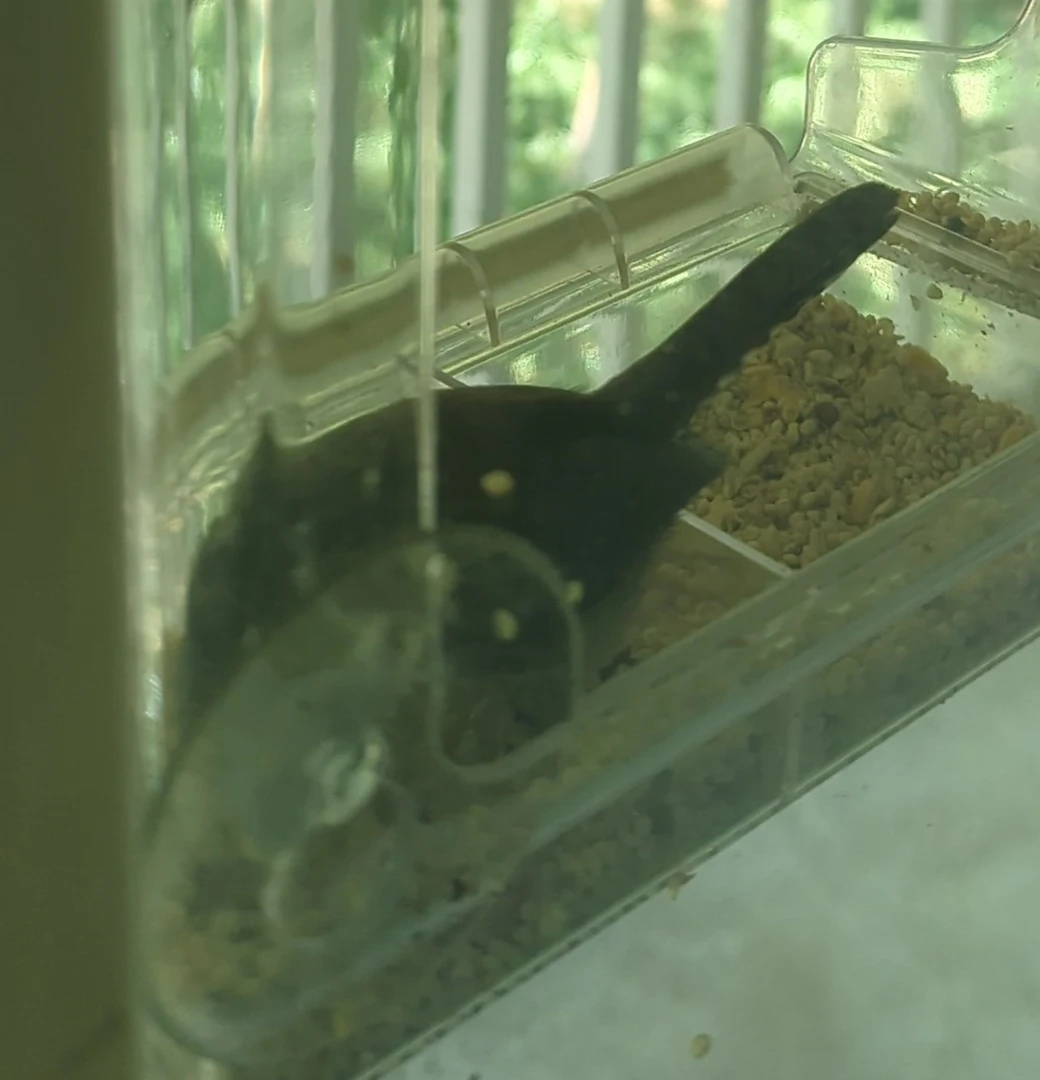
Photos of Carolina Wren
Compare plumage, posture, and field context across this image set.
Carolina Wren sounds
Listen to a small selection of reference recordings.
About the Carolina Wren
The Carolina Wren (Thryothorus ludovicianus) is a small but robust songbird common in the southeastern United States. Known for its loud, ringing song, it plays a vital role in controlling insect populations within its habitat. While not as visually striking as some birds, its rich, reddish-brown plumage and energetic behavior make it a favorite among birdwatchers. It holds no particular cultural significance beyond being a familiar and welcome backyard bird.
Scientific classification
Phylum: Chordata
Clazz: Aves
Order: Passeriformes
Family: Troglodytidae
Genus: Thryothorus
Species: Thryothorus ludovicianus
Habitat and distribution
Adaptations: Carolina Wrens are well-adapted to dense undergrowth, using their strong legs and short, rounded wings to navigate through thick vegetation. Their inquisitive nature allows them to exploit a variety of food sources and nesting sites.
Variations: Several subspecies are recognized, differing slightly in plumage color and size. These variations are subtle and often require expert observation to distinguish.
Distribution: The Carolina Wren is primarily found in the southeastern United States, extending from the Gulf Coast north to parts of the Midwest and east to the Atlantic coast. Its range reaches as far north as southern Iowa, Illinois, Indiana, Ohio, Pennsylvania and into parts of southern New England. It is a non-migratory species, maintaining its territory year-round.
Habitat Types: Deciduous forests, Mixed woodlands, Suburban gardens, Thickets, Wooded ravines
Climate Zones: Temperate, Subtropical
Diet and feeding
Primary foods: Insects, Spiders, Beetles, Caterpillars, Small fruits and seeds (occasionally)
Foraging behavior: Carolina Wrens forage actively on the ground and in low vegetation, probing under leaves, bark, and debris for insects and spiders. They are often seen hopping and flitting through underbrush.
Seasonal diet variations: While primarily insectivorous, they may consume more seeds and berries during colder months when insect availability is reduced.
Specializations: Their slightly decurved bill is well-suited for probing into crevices and extracting insects.
Reproduction and lifecycle
Breeding season: Generally from late March to August, with variations depending on location.
Regional variations: Breeding may start earlier in the southern parts of their range.
Courtship rituals: Males sing loudly to attract females and may also engage in courtship displays, including fluffing their feathers and spreading their tails.
Nest Type: Domed or cup-shaped nest, often with a side entrance.
Nesting Materials: Twigs, Leaves, Moss, Grass, Animal hair, Feathers
Parental care: Both parents incubate the eggs and feed the chicks. Incubation lasts about 12-14 days, and chicks are altricial (helpless at hatching).
Fledging period: Approximately 12-14 days until first flight.
Clutch Size: Typically 4-6 eggs.
Physical characteristics
Sex-Based Plumage Differences: Minimal
Length: 12.5-14 cm
Wingspan: 18-19 cm
Weight: 18-23 g
Lifespan: Typically 2-6 years in the wild, though some individuals may live longer.
Breeding Plumage: Plumage remains largely the same throughout the year.
Seasonal Feather Changes: Minimal seasonal variation.
Notable features: Prominent white eyebrow stripe, Reddish-brown upperparts, Buffy-orange underparts, Dark barring on wings and tail
Interesting facts
Carolina Wrens often build nests in unusual places.: They have been known to nest in old boots, flowerpots, mailboxes, and other human-made objects.
They can sing dozens of different song variations.: Males have a large repertoire of songs, which they use to defend their territory and attract mates.
They are the state bird of South Carolina.: Chosen for its cheerful song and year-round presence.
Frequently asked questions
What do I do if I find a baby Carolina Wren?
If the bird appears injured or truly orphaned, contact a local wildlife rehabilitator. Otherwise, it's best to leave it alone, as the parents are likely nearby.
How can I attract Carolina Wrens to my yard?
Provide dense shrubbery, a source of fresh water, and consider leaving leaf litter undisturbed. Avoid using pesticides.
Do Carolina Wrens use birdhouses?
They may use birdhouses, especially those with a larger opening or a more open design, but they often prefer natural cavities or unconventional nesting sites.
Compare the image, sound, habitat, and physical characteristics together when reviewing a sighting.