
The Canada Goose (Branta canadensis) is a large wild goose species native to North America. It is known for its distinctive black head and neck, white chinstrap, and brownish-gray body. These geese are highly adaptable and can be found in a variety of habitats, from urban parks to Arctic tundra. Ecologically, they play a role in seed dispersal and nutrient cycling, grazing on vegetation and providing a food source for predators. While once declining in numbers, conservation efforts have led to a significant population rebound, sometimes resulting in overpopulation in certain areas, creating conflicts with human interests.
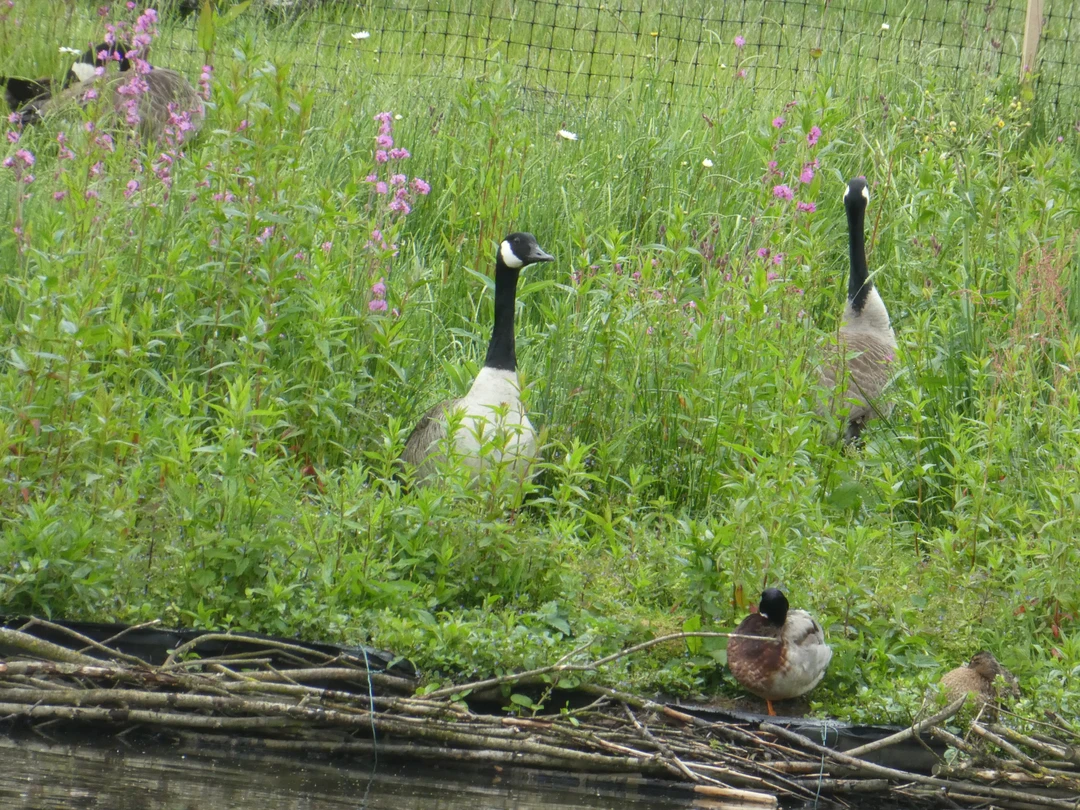
Photos of Canada Goose
Compare plumage, posture, and field context across this image set.
Canada Goose sounds
Listen to a small selection of reference recordings.
About the Canada Goose
The Canada Goose (Branta canadensis) is a large wild goose species native to North America. It is known for its distinctive black head and neck, white chinstrap, and brownish-gray body. These geese are highly adaptable and can be found in a variety of habitats, from urban parks to Arctic tundra. Ecologically, they play a role in seed dispersal and nutrient cycling, grazing on vegetation and providing a food source for predators. While once declining in numbers, conservation efforts have led to a significant population rebound, sometimes resulting in overpopulation in certain areas, creating conflicts with human interests.
Scientific classification
Phylum: Chordata
Clazz: Aves
Order: Anseriformes
Family: Anatidae
Genus: Branta
Species: Branta canadensis
Habitat and distribution
Adaptations: Canada Geese are highly adaptable to different environments. Their dense, downy feathers provide insulation in cold climates. They have webbed feet for efficient swimming and a broad bill adapted for grazing on a variety of vegetation.
Variations: Several subspecies of Canada Goose are recognized, differing in size and plumage details. For example, the Giant Canada Goose (B. c. maxima) is significantly larger than other subspecies, while others may have darker or lighter body plumage.
Distribution: Native to North America, breeding across Canada and the northern United States. They migrate south for the winter, reaching as far as Mexico. Introduced populations have also become established in parts of Europe, including Great Britain, Scandinavia, and New Zealand.
Habitat Types: Wetlands, Lakes, Rivers, Ponds, Marshes, Agricultural fields, Urban parks, Coastal areas
Climate Zones: Arctic, Subarctic, Temperate, Subtropical
Diet and feeding
Primary foods: Grasses, Sedges, Aquatic plants, Grains, Berries, Seeds, Small insects (especially for goslings)
Foraging behavior: Primarily grazes on land, but also feeds in water by dabbling or submerging its head and neck. Often feeds in flocks, especially during migration and winter.
Seasonal diet variations: Diet varies seasonally depending on food availability. In winter, they may rely more on grains and agricultural crops, while in summer, they consume more grasses and aquatic plants.
Specializations: The bill has serrated edges, which help in tearing and consuming grasses and other vegetation.
Reproduction and lifecycle
Breeding season: Spring (typically March-June, depending on latitude).
Regional variations: Breeding season starts earlier in southern regions and later in northern regions.
Courtship rituals: Courtship involves displays such as head-dipping, neck-stretching, and honking. Pairs are typically monogamous and mate for life.
Nest Type: Ground nest, usually near water, often on a slightly elevated site.
Nesting Materials: Grasses, Down feathers, Plant material, Moss
Parental care: Both parents care for the young. The female incubates the eggs for 25-30 days, while the male defends the nest and territory. Goslings are precocial (able to walk and swim shortly after hatching) and are led to feeding areas by the parents.
Fledging period: 40-70 days until first flight.
Clutch Size: 2-9 eggs
Physical characteristics
Sex-Based Plumage Differences: Males are generally slightly larger than females.
Length: 75-110 cm
Wingspan: 127-185 cm
Weight: 2.5-6.5 kg
Lifespan: 10-24 years in the wild; can exceed 30 years in captivity.
Breeding Plumage: Plumage is similar year-round.
Seasonal Feather Changes: No significant seasonal variations, but molting occurs after breeding, rendering them flightless for a period.
Notable features: Black head and neck, White chinstrap extending from ear to ear, Brownish-gray body plumage, White undertail coverts, Black bill and legs
Interesting facts
Canada Geese can fly at speeds up to 70 mph (113 km/h) during migration.: This allows them to cover long distances quickly.
They form strong pair bonds and often mate for life.: This contributes to their reproductive success.
Goslings can swim within hours of hatching.: This is an important adaptation for survival, allowing them to escape predators and access food.
The "V" formation during flight helps conserve energy.: Birds in the formation benefit from the updraft created by the bird in front.
Canada Geese have successfully adapted to urban environments.: This has led to increased populations in some cities, sometimes causing human-wildlife conflicts.
Frequently asked questions
Why do Canada Geese fly in a V formation?
Flying in a V formation reduces wind resistance and allows the geese to conserve energy during long flights. The lead bird breaks the wind, creating an updraft that benefits the birds behind it.
Are Canada Geese aggressive?
Canada Geese can be aggressive, especially during the breeding season when they are protecting their nests and young. They may hiss, honk, and even charge at perceived threats.
What should I do if I encounter a Canada Goose nest?
It's best to give Canada Goose nests a wide berth. Do not approach or disturb the nest or the geese. If you accidentally get too close, back away slowly and calmly.
Is it okay to feed Canada Geese?
It is generally not recommended to feed Canada Geese. Feeding them can lead to nutritional problems, habituation to humans, and overpopulation in certain areas. It's best to let them find their natural food sources.
How can I tell a male Canada Goose from a female?
It can be difficult to distinguish between male and female Canada Geese based on appearance alone. Males are generally slightly larger and may have a slightly thicker neck, but these differences are subtle. Behavioral cues, such as the male's more aggressive defense of the nest, can be more reliable indicators.
Compare the image, sound, habitat, and physical characteristics together when reviewing a sighting.