
The Barred Owl (*Strix varia*) is a large, stocky owl native to North America, easily recognized by its mottled brown and white plumage and distinctive "who-cooks-for-you, who-cooks-for-you-all" hooting call. It plays a crucial role in forest ecosystems as an apex predator, primarily controlling rodent populations. While not currently considered globally threatened, the Barred Owl faces increasing pressure from habitat loss and competition with other owl species. It holds some cultural significance, often associated with wisdom and mystery in folklore, though less prominently than some other owl species.
Photos of Barred Owl
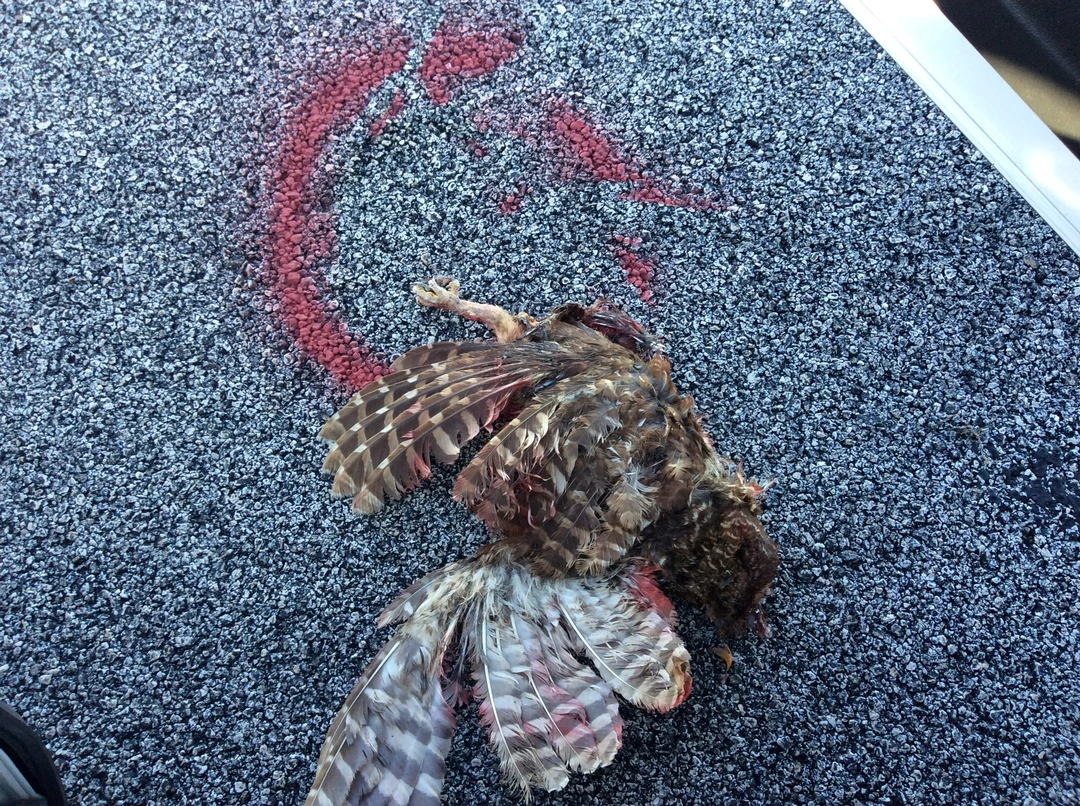
Compare plumage, posture, and field context across this image set.
Barred Owl sounds
Listen to a small selection of reference recordings.
About the Barred Owl
The Barred Owl (*Strix varia*) is a large, stocky owl native to North America, easily recognized by its mottled brown and white plumage and distinctive "who-cooks-for-you, who-cooks-for-you-all" hooting call. It plays a crucial role in forest ecosystems as an apex predator, primarily controlling rodent populations. While not currently considered globally threatened, the Barred Owl faces increasing pressure from habitat loss and competition with other owl species. It holds some cultural significance, often associated with wisdom and mystery in folklore, though less prominently than some other owl species.
Also known as: Northern Barred Owl, Hoot Owl, Swamp Owl, Rain Owl, Round-headed Owl, Old Folks' Owl, Black-eyed Owl, Laughing Owl, Crazy Owl, Bottom Owl.
Scientific classification
Phylum: Chordata
Clazz: Aves
Order: Strigiformes
Family: Strigidae
Genus: Strix
Species: Strix varia
Habitat and distribution
Adaptations: Barred Owls have excellent low-light vision and hearing, allowing them to hunt effectively in dense forests. Their feathered legs provide insulation in colder climates. They are adaptable to a range of forest types, provided there are suitable nesting cavities and prey.
Variations: Several subspecies are recognized, including *Strix varia varia* (Northern Barred Owl), *Strix varia georgica* (Florida Barred Owl), and *Strix varia helveola* (Texas Barred Owl). These subspecies show slight variations in size and plumage coloration.
Distribution: Primarily found in eastern and central North America, from southern Canada down to the southeastern United States. Its range has been expanding westward in recent decades, reaching the Pacific Northwest. It does not typically undertake long-distance migrations, but individuals may move locally in response to food availability.
Habitat Types: Mature forests, Wooded swamps, Riverine forests, Mixed woodlands
Climate Zones: Temperate, Subtropical
Diet and feeding
Primary foods: Small mammals (mice, voles, squirrels), Birds, Amphibians, Reptiles, Invertebrates
Foraging behavior: Primarily a nocturnal hunter, often perching and waiting for prey to pass by. It uses its excellent hearing and vision to locate prey, then swoops down silently to capture it with its talons. Also known to hunt during the day, particularly during nesting season.
Seasonal diet variations: Diet may shift slightly depending on prey availability. For example, they may consume more amphibians in spring and summer when these prey are more abundant.
Specializations: Barred Owls have asymmetrical ear openings, which help them pinpoint the location of prey by sound. Their soft feathers allow for near-silent flight, enabling them to surprise prey.
Reproduction and lifecycle
Breeding season: Late winter to early spring (February-April) in most of its range.
Regional variations: Breeding may occur slightly earlier in the southern parts of its range.
Courtship rituals: Courtship involves vocalizations (hooting duets between males and females), mutual preening, and the male offering food to the female.
Nest Type: Typically nests in tree cavities, but may also use abandoned nests of other large birds (hawks, crows) or squirrels.
Nesting Materials: Wood chips, Leaves, Feathers, Moss
Parental care: The female incubates the eggs for about 28-33 days. Both parents feed the young, which fledge at around 4-5 weeks of age. The young remain dependent on the parents for several months.
Fledging period: 4-5 weeks until first flight, but young remain with parents for several months.
Clutch Size: Typically 2-4 eggs.
Physical characteristics
Sex-Based Plumage Differences: Females are generally slightly larger than males.
Length: 40-63 cm
Wingspan: 96-125 cm
Weight: 500-1050 g
Lifespan: Up to 10 years in the wild; longer in captivity (up to 24 years recorded).
Breeding Plumage: Plumage remains relatively consistent throughout the year.
Seasonal Feather Changes: Minimal seasonal variation; may appear slightly paler after molting.
Notable features: Large, round head without ear tufts, Dark brown eyes, Horizontal barring on the chest and vertical streaking on the belly, Feathered legs
Interesting facts
Barred Owls can turn their heads up to 270 degrees.: This allows them to scan a wide area for prey without moving their bodies.
They are known to occasionally prey on other owls.: Including smaller owl species, and sometimes even other Barred Owls.
Barred Owls have been expanding their range westward, leading to increased competition with the endangered Spotted Owl.: This hybridization and competition pose a significant threat to Spotted Owl populations.
Frequently asked questions
What should I do if I find an injured Barred Owl?
Do not approach the owl. Contact a local wildlife rehabilitator or animal control agency for assistance. *Consult a professional for expert advice.*
Are Barred Owls dangerous to humans?
Barred Owls are not typically aggressive towards humans, but they may defend their nests or young if they feel threatened. It's best to observe them from a safe distance.
How can I attract Barred Owls to my property?
Maintaining mature trees and providing a source of water can make your property more attractive to Barred Owls. However, it's important to avoid using rodenticides, as these can poison owls.
Do Barred Owls mate for life?
Barred Owls are believed to form long-term pair bonds, and may mate for life, though more research is necessary for definitive conclusions.
Compare the image, sound, habitat, and physical characteristics together when reviewing a sighting.